
Food delivery platforms are growing rapidly in Jeddah, driven by increasing demand for fast, reliable, and high-quality food services. As the industry expands, maintaining food safety and temperature integrity has become a critical challenge. This is where a temperature mapping study plays a vital role in ensuring that food remains safe, fresh, and compliant throughout storage, preparation, and delivery processes.
Importance of Temperature Mapping Study in Food Delivery Operations
A temperature mapping study is a structured process used to analyze temperature distribution in storage units, kitchens, cold rooms, and delivery systems. For food delivery platforms, this includes restaurants, cloud kitchens, refrigerated storage areas, and delivery vehicles.
By conducting a temperature mapping study, companies can ensure that food is stored and transported under safe temperature conditions. This helps prevent bacterial growth, food spoilage, and quality degradation during delivery operations.
In fast-paced food delivery environments, a temperature mapping study provides the foundation for maintaining consistency and safety across the entire supply chain.
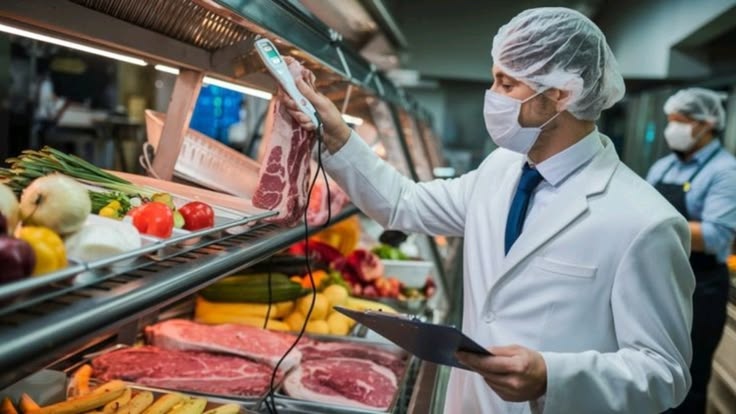
Ensuring Food Safety and Quality Control
Food safety is one of the biggest concerns for delivery platforms. A temperature mapping study helps identify temperature variations in storage refrigerators, holding cabinets, and delivery boxes.
Through a temperature mapping study, businesses can detect:
- Hot spots in storage units
- Temperature fluctuations during food holding periods
- Cooling inefficiencies in refrigerators
- Risks during peak delivery hours
- Temperature recovery time after door openings
These insights allow food delivery operators to take corrective actions and ensure that food is delivered in optimal condition.
Improving Cold Chain Performance in Food Delivery
Modern food delivery systems rely heavily on cold chain management, especially for items such as dairy products, meat, seafood, and frozen meals. A temperature mapping study ensures that cold chain integrity is maintained from the kitchen to the customer’s doorstep.
By analyzing temperature mapping study data, platforms can optimize packaging methods, improve insulated delivery bags, and enhance refrigeration systems in kitchens and storage facilities.
This leads to better food quality, reduced waste, and improved customer satisfaction.
Enhancing Operational Efficiency
A temperature mapping study also helps food delivery platforms improve operational efficiency. By identifying temperature inconsistencies, businesses can redesign storage layouts, improve airflow, and optimize equipment placement.
In busy delivery hubs, a temperature mapping study helps ensure that food items are stored correctly even during peak order times. This reduces delays caused by spoilage and improves overall workflow efficiency.
Supporting Compliance and Food Safety Regulations
Food delivery platforms must comply with strict food safety regulations to ensure public health. A temperature mapping study provides documented evidence that food storage and transportation systems meet required temperature standards.
Temperature mapping study reports are essential during inspections and audits, helping companies demonstrate compliance with local food safety laws and international standards.
In addition, a temperature mapping study supports internal quality assurance programs, ensuring consistent safety practices across all operations.
Real-Time Monitoring and Smart Delivery Systems
Modern food delivery platforms are increasingly adopting smart monitoring technologies integrated with temperature mapping study systems. These systems provide real-time temperature tracking during food storage and transportation.
If a temperature mapping study detects any deviation from safe temperature ranges, alerts can be triggered immediately. This allows delivery platforms to take quick corrective actions, such as rerouting deliveries or adjusting cooling systems.
This real-time capability significantly reduces the risk of food spoilage and enhances customer trust.
Redlines Temperature Mapping Services in Saudi Arabia
At Redlines, we provide professional temperature mapping study services across Saudi Arabia, including Riyadh, Jeddah, and Dammam.
We specialize in temperature mapping study solutions for food delivery platforms, restaurants, cloud kitchens, and cold storage facilities. Our services ensure that temperature-sensitive food items are stored and transported safely.
Our services include:
- Kitchen and cold room temperature mapping
- Delivery vehicle temperature mapping
- Cold chain validation for food delivery
- Real-time monitoring systems
- Compliance documentation and reporting
Through our detailed temperature mapping study reports, we help food delivery platforms improve safety, reduce waste, and enhance operational efficiency.
Conclusion
As food delivery platforms continue to grow in Jeddah, maintaining strict temperature control is essential for ensuring food safety and customer satisfaction. A comprehensive temperature mapping study provides the insights needed to optimize storage, transportation, and delivery processes.
By implementing temperature mapping study solutions, food delivery companies can reduce risks, improve efficiency, and deliver high-quality food consistently.
To learn more about our services, visit:
www.Redlines.sa
Redlines proudly delivers expert temperature mapping study services in Riyadh, Jeddah, Dammam, and across Saudi Arabia—supporting safe, reliable, and efficient food delivery operations.