

In the frozen food industry, maintaining strict temperature control is not just a regulatory requirement but a direct driver of profitability. Products such as frozen meat, seafood, vegetables, dairy, and ready-to-eat meals are highly sensitive to temperature fluctuations. Even small deviations can lead to spoilage, texture changes, and complete product loss. This is where a temperature mapping study plays a critical role in reducing risk and improving return on investment.
A properly executed temperature mapping study helps warehouse operators understand how temperature is distributed throughout the storage environment. Instead of relying on a single thermostat reading, a temperature mapping study identifies hot spots, cold spots, and airflow inconsistencies across the entire frozen storage area.
Preventing Product Loss Through Temperature Mapping Study
One of the main causes of product loss in frozen food warehouses is uneven temperature distribution. A professional temperature mapping study highlights areas where temperatures may rise above safe limits due to door openings, poor insulation, or inefficient airflow.
By conducting a detailed temperature mapping study, warehouse operators can reposition products, improve pallet arrangements, and optimize airflow patterns. This significantly reduces the risk of localized thawing, which is often the beginning of large-scale product loss.
Improving Energy Efficiency and Operational Savings
A well-planned temperature mapping study does more than protect products—it also improves energy efficiency. When temperature inconsistencies are identified through a temperature mapping study, warehouse managers can optimize refrigeration system performance instead of overworking equipment to compensate for unknown problem areas.
This leads to reduced energy consumption, lower maintenance costs, and extended equipment lifespan. Over time, the savings generated from improved efficiency contribute directly to a stronger return on investment.
Strengthening Cold Chain Reliability
Frozen food warehouses are a key part of the cold chain, and any weak point can affect the entire supply process. A comprehensive temperature mapping study ensures that storage conditions remain stable and consistent across all zones.
By conducting regular temperature mapping study assessments, businesses can validate that their cold storage systems are performing as expected under real operational conditions. This reduces the risk of supply chain disruptions, rejected shipments, and customer complaints.
Supporting Compliance and Quality Standards
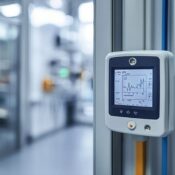
Food safety regulations require companies to maintain documented evidence of proper storage conditions. A certified temperature mapping study provides this documentation by recording temperature behavior across the warehouse under different load and environmental conditions.
Each temperature mapping study report includes detailed analysis, calibrated data logger readings, and recommendations for improvement. This not only ensures compliance with food safety standards but also builds trust with clients and regulatory authorities.
Enhancing Warehouse Design and Layout
Another important benefit of a temperature mapping study is its role in warehouse design optimization. Many frozen food facilities discover through a temperature mapping study that certain zones consistently experience temperature fluctuations due to structural layout or equipment placement.
With this insight, businesses can redesign storage layouts, improve insulation placement, or adjust rack positioning to create more stable conditions. These improvements reduce spoilage risks and increase storage efficiency.
Redlines – Your Partner for Temperature Mapping Study Services
At Redlines, we specialize in delivering professional temperature mapping study services for frozen food warehouses, cold storage facilities, food distribution centers, and temperature-controlled logistics operations.
Our expert team uses calibrated equipment and industry-approved methodologies to conduct accurate and reliable temperature mapping study assessments. We help businesses identify risks, improve efficiency, and maximize return on investment through better temperature control strategies.
We proudly provide temperature mapping study services across Saudi Arabia, including Riyadh, Jeddah, and Dammam, supporting companies in maintaining safe and efficient frozen storage environments.
To learn more about how a temperature mapping study can reduce product loss and improve operational savings, visit www.redlines.sa and explore our specialized cold chain validation services.