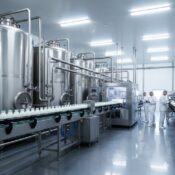

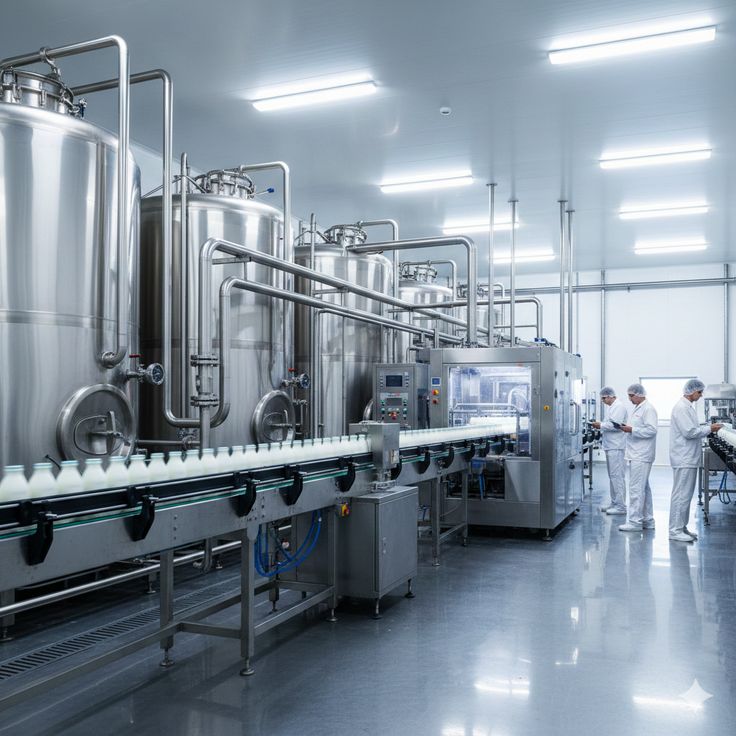
In pharmaceutical manufacturing, maintaining a highly controlled environment is critical to ensure product quality, patient safety, and regulatory compliance. One of the most important validation activities supporting this requirement is the temperature mapping study, which plays a vital role in clean room qualification and GMP compliance. A properly executed temperature mapping study ensures that temperature uniformity is maintained across all areas of a controlled environment.
A temperature mapping study is a systematic process used to evaluate temperature distribution within pharmaceutical clean rooms, production areas, and storage zones. During a temperature mapping study, calibrated data loggers are placed strategically throughout the clean room to record temperature variations over a defined period. This helps identify hot spots, cold spots, airflow inconsistencies, and potential risks that could impact product integrity.

In pharmaceutical manufacturing, Good Manufacturing Practice (GMP) regulations require strict environmental control. A temperature mapping study is a key part of GMP compliance because it provides documented evidence that clean rooms maintain stable and uniform conditions. Without a validated temperature mapping study, a facility cannot demonstrate that its controlled environment meets regulatory expectations.
Clean rooms used in pharmaceutical production must maintain strict temperature ranges to prevent contamination, degradation of active pharmaceutical ingredients (APIs), and variability in product quality. A detailed temperature mapping study ensures that HVAC systems are performing correctly and that air distribution is consistent throughout the entire controlled area. Any deviation detected during a temperature mapping study must be investigated and corrected immediately.
Regulatory authorities such as WHO, FDA, and EU GMP guidelines emphasize the importance of environmental qualification, where a temperature mapping study is a fundamental requirement. It is typically conducted during initial validation (IQ/OQ/PQ stages) and repeated periodically to ensure continued compliance. Each temperature mapping study provides documented assurance that the clean room environment remains within specified limits.
In pharmaceutical facilities, even minor temperature fluctuations can affect sensitive processes such as tablet compression, sterile filling, and vaccine production. A well-designed temperature mapping study helps identify risks associated with equipment placement, personnel movement, door openings, and HVAC performance. This allows manufacturers to optimize clean room design and maintain consistent environmental control.
Another important aspect of a temperature mapping study is controlled environment validation. Clean rooms are not static environments; they are influenced by external temperature, internal heat generation from machinery, and operational workflows. A comprehensive temperature mapping study evaluates all these variables to ensure long-term stability and compliance.
At Redlines, we specialize in delivering professional temperature mapping study services for pharmaceutical manufacturing clean rooms. Our expertise ensures that every temperature mapping study is performed according to GMP, WHO, and international validation standards, providing full regulatory support for pharmaceutical manufacturers.
We proudly offer temperature mapping study services across the Kingdom of Saudi Arabia Saudi Arabia, including key industrial and pharmaceutical hubs such as Riyadh, Jeddah, and Dammam. Each temperature mapping study is carefully designed to simulate real operational conditions within clean room environments, ensuring accurate and reliable validation results.
A successful temperature mapping study results in a detailed thermal profile report that highlights temperature distribution patterns, airflow behavior, and potential risk zones. This information is essential for maintaining GMP compliance, improving HVAC performance, and ensuring consistent pharmaceutical production quality.
In conclusion, a temperature mapping study is an indispensable part of pharmaceutical clean room validation and GMP compliance. It ensures controlled environments remain stable, safe, and fully qualified for production activities. Without a properly executed temperature mapping study, pharmaceutical manufacturers risk regulatory non-compliance and product quality issues.
For reliable and professional services, Redlines is your trusted partner for temperature mapping study and controlled environment validation across Riyadh, Jeddah, and Dammam.