
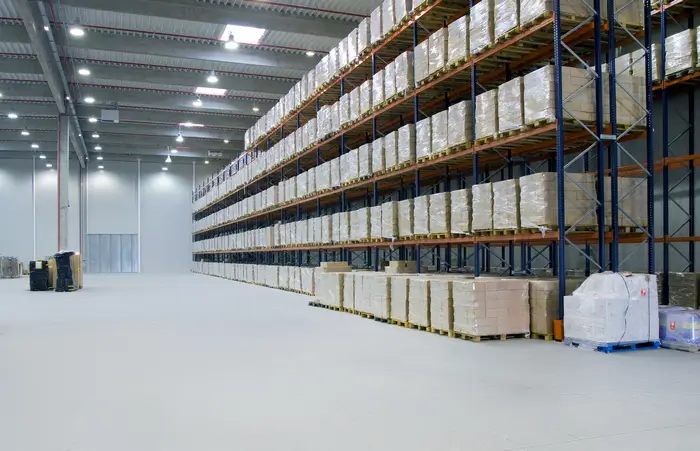
Designing modern storage facilities for pharmaceuticals, food, and other temperature-sensitive products in Riyadh requires more than traditional architectural planning. Extreme summer heat, rapid urban development, and regulatory requirements make it essential to integrate temperature mapping study insights into facility design from the very beginning. At Redlines, we provide expert temperature mapping study services across Saudi Arabia, including Jeddah, Dammam, and Riyadh, helping businesses optimize storage infrastructure, reduce product loss, and ensure compliance. Learn more at www.Redlines.sa.
The Role of Temperature Mapping in Facility Design
A temperature mapping study evaluates thermal behavior across storage spaces, identifying hot and cold zones that may affect product integrity. In Riyadh, temperatures can fluctuate dramatically, with summer highs exceeding 45°C. Without precise temperature data, even state-of-the-art HVAC systems may fail to maintain uniform conditions, risking product spoilage and regulatory non-compliance.
Integrating insights from a temperature mapping study during the design phase allows architects and engineers to make data-driven decisions on building orientation, insulation, airflow, and refrigeration layouts. By understanding the thermal patterns that naturally occur in a facility, designers can prevent uneven cooling, reduce energy consumption, and extend equipment lifespan.

Influencing Architectural Decisions
A comprehensive temperature mapping study provides information on areas prone to heat accumulation, guiding the placement of critical storage zones. For instance, in a pharmaceutical warehouse in Riyadh, high-heat zones near sun-exposed walls or loading docks can be mitigated by strategic wall insulation or reflective roofing. Mapping insights also help determine optimal ceiling heights, aisle spacing, and shelving arrangements to ensure efficient airflow and consistent temperatures throughout the facility.
In food storage facilities, where perishable products require precise temperature control, a temperature mapping study can reveal microclimates that may otherwise go unnoticed. Using this data, architects can design layout modifications, such as cold and frozen zones, ventilation pathways, and temperature buffer areas, improving product preservation while reducing energy costs.
Optimizing HVAC Design
HVAC systems are central to maintaining a stable environment in any storage facility. By leveraging a temperature mapping study, engineers can identify areas where airflow is insufficient or temperatures fluctuate excessively. In Dammam and Jeddah, for example, coastal humidity can intensify thermal variability, requiring careful duct placement, airflow balancing, and cooling redundancy.
Redlines’ temperature mapping study services provide real-world data that allows HVAC designers to tailor system capacities precisely to the facility’s needs. This ensures that every corner of a storage warehouse maintains the target temperature range, even during extreme summer heat, and helps prevent over-engineering or energy waste.
Case Study: Riyadh Pharmaceutical Storage Facility
A leading pharmaceutical distributor in Riyadh integrated a temperature mapping study into the design of its new warehouse. Early mapping revealed potential hotspots near loading areas and packaging zones. Using these insights, architects adjusted the building orientation, optimized shelf layout, and redesigned ducting for more uniform airflow. After implementation, the facility achieved consistent temperatures throughout, protecting high-value pharmaceuticals and ensuring compliance with international storage standards.
Benefits of Integrating Temperature Mapping in Facility Design
- Improved Product Safety – Minimizes risk of spoilage and degradation in pharmaceuticals, food, and sensitive materials.
- Energy Efficiency – Data-driven HVAC design reduces electricity consumption and operational costs.
- Regulatory Compliance – Ensures adherence to local and international storage guidelines.
- Operational Insights – Early identification of thermal risks reduces future retrofitting costs.
Conclusion
Designing temperature-sensitive storage facilities in Riyadh and across Saudi Arabia demands a data-driven approach. By incorporating temperature mapping study insights into architectural and HVAC planning, companies can ensure product safety, operational efficiency, and long-term cost savings.
Redlines offers comprehensive temperature mapping study services throughout Saudi Arabia, including Jeddah, Dammam, and Riyadh, enabling businesses to make informed decisions for their storage projects. To learn more or schedule a study, visit www.Redlines.sa.