The effectiveness of vaccines depends heavily on how well they are stored and transported. Even a small deviation in temperature can affect their potency, rendering them less effective or even unusable. This is why temperature mapping studies play a critical role in maintaining vaccine quality, particularly in healthcare facilities across Riyadh. With rising demand for reliable cold storage systems, Redlines (www.Redlines.sa) provides specialized temperature mapping study services across Saudi Arabia, including Jeddah, Dammam, and Riyadh, ensuring that vaccines remain safe, potent, and compliant with international standards.
Why Temperature Mapping Is Essential for Vaccine Storage
Vaccines are biological products that are highly sensitive to temperature changes. Most vaccines must be stored within a specific temperature range—usually between +2°C and +8°C—to preserve their stability and effectiveness. When vaccines are exposed to temperatures outside this range, chemical reactions can occur that degrade their active components.
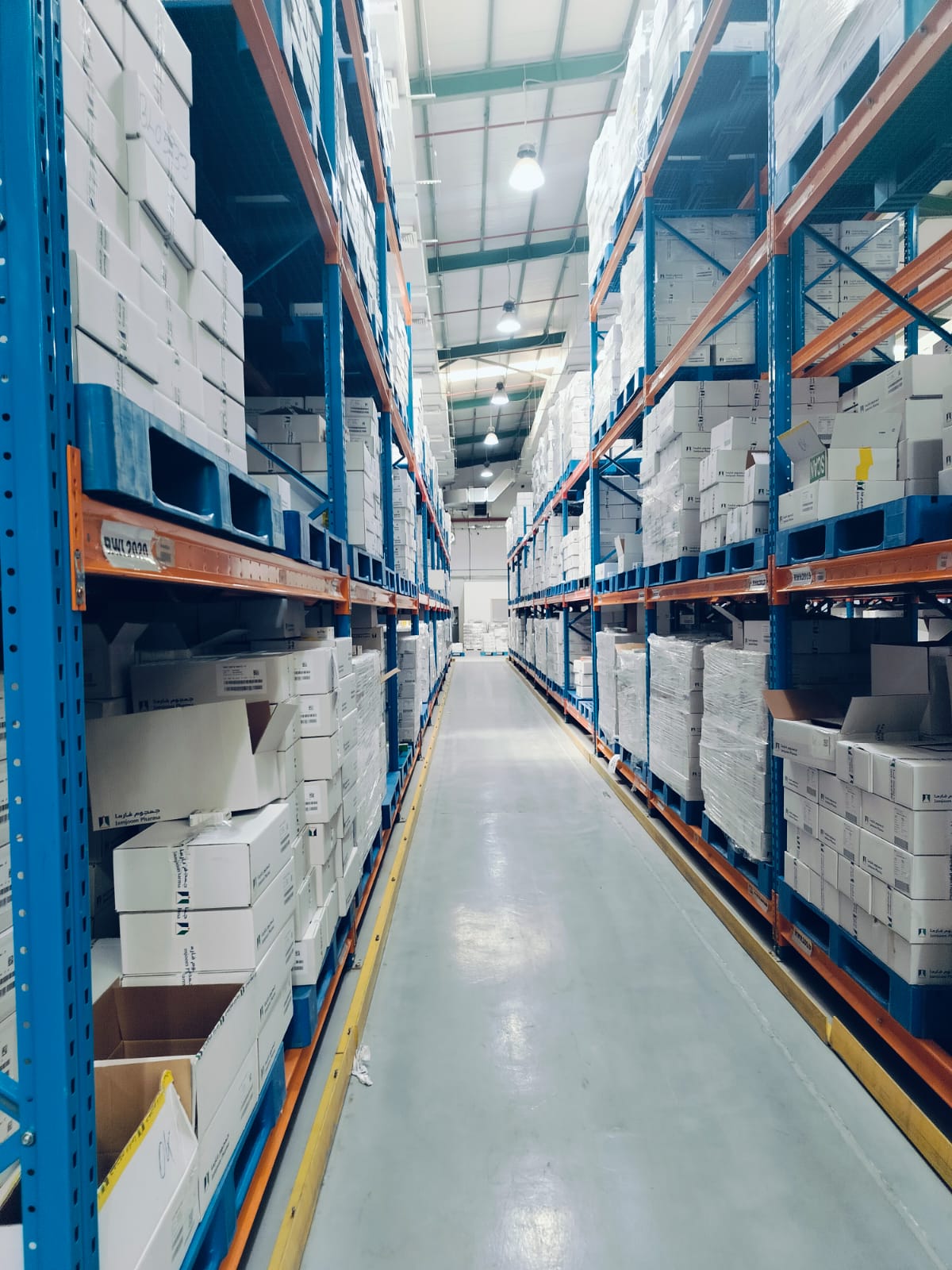
A temperature mapping study involves the precise monitoring and recording of temperature variations within medical storage facilities such as refrigerators, freezers, and vaccine distribution centers. The goal is to identify hot and cold spots, airflow issues, or environmental fluctuations that could compromise vaccine integrity.
For healthcare facilities in Riyadh, where climate conditions are often extreme, performing a temperature mapping study is not just a regulatory requirement—it’s a critical safeguard to ensure that every vaccine dose administered is potent and effective.

How Temperature Mapping Works in Healthcare Environments
A temperature mapping study begins by strategically placing calibrated sensors throughout the storage area or transport container. These sensors record temperature and humidity data over a specified period, usually 24 to 72 hours, under both normal and stress conditions. The collected data is then analyzed to assess temperature distribution and identify any deviations from required standards.
At Redlines, our experts conduct detailed temperature mapping studies in hospitals, pharmacies, vaccine distribution centers, and medical transport systems throughout Saudi Arabia, including Riyadh, Dammam, and Jeddah. Using advanced monitoring technology, we generate precise reports that help healthcare providers maintain uniform storage conditions and comply with Good Distribution Practice (GDP) and World Health Organization (WHO) guidelines.
Temperature Mapping During Vaccine Transportation
Maintaining vaccine potency doesn’t end with proper storage—it extends through every stage of transportation. During transit, vaccines are exposed to temperature fluctuations due to weather, handling, and equipment performance. This is where temperature mapping studies in refrigerated vehicles and cold boxes become vital.
By equipping transport systems with sensors and data loggers, temperature mapping ensures that vaccines remain within safe temperature limits throughout the journey. At Redlines, our temperature mapping study services include real-time monitoring solutions that allow logistics teams to detect and correct any deviations immediately, minimizing risk and waste.
Benefits of Temperature Mapping in Riyadh’s Healthcare Network
- Assured Vaccine Potency – Continuous temperature monitoring ensures that vaccines retain their efficacy from storage to administration.
- Regulatory Compliance – Accurate temperature mapping studies help facilities meet national and international health standards.
- Risk Reduction – Identifying temperature inconsistencies early prevents costly losses due to spoiled vaccines.
- Enhanced Traceability – Temperature data provides a complete record of environmental conditions for audits and quality assurance.
- Improved Efficiency – Optimizing temperature control systems reduces energy use and operational costs in hospitals and storage facilities.
Redlines: Leading Temperature Mapping Services in Saudi Arabia
At Redlines, we understand the importance of precision and reliability when it comes to healthcare logistics. Our temperature mapping study services in Riyadh, as well as across Dammam, Jeddah, and other regions of Saudi Arabia, are designed to help healthcare organizations achieve the highest standards of vaccine safety.
We use state-of-the-art equipment, automated data analysis, and real-time monitoring solutions to ensure accurate results. Whether it’s a single cold room or a large vaccine distribution center, Redlines provides end-to-end support—from study design and implementation to data interpretation and corrective action planning.
Conclusion
As Riyadh’s healthcare network continues to expand, ensuring consistent vaccine potency remains a top priority. Temperature mapping studies are the backbone of vaccine cold chain management, providing the data and assurance needed to maintain product quality.
By partnering with Redlines (www.Redlines.sa), healthcare facilities and logistics providers across Saudi Arabia can rely on advanced, accurate, and compliant temperature mapping study solutions that safeguard public health and reinforce trust in the nation’s immunization programs.