
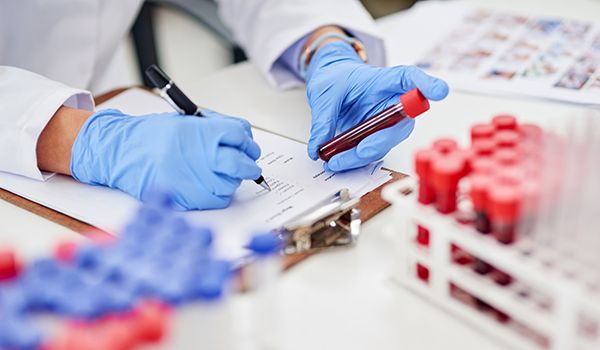
Blood banks and medical laboratories play a critical role in protecting public health by storing blood, blood components, vaccines, reagents, biological samples, and other temperature-sensitive medical products. Even minor fluctuations in storage conditions can affect the quality, safety, and effectiveness of these valuable materials. This is why a temperature mapping study is an essential part of maintaining reliable storage environments and meeting regulatory requirements.
A professional temperature mapping study helps identify temperature variations within refrigerators, freezers, cold rooms, and storage warehouses. It ensures that every storage location consistently maintains the required temperature range, reducing the risk of product degradation and ensuring the integrity of biological materials.
Why Temperature Mapping Study is Important
Biological products are highly sensitive to temperature changes. Blood components, plasma, laboratory reagents, diagnostic kits, and clinical specimens all require carefully controlled storage conditions. A properly conducted temperature mapping study verifies that storage equipment performs consistently and that there are no hot spots or cold spots that could compromise sample quality.
Without a validated temperature mapping study, laboratories and blood banks may unknowingly expose valuable products to unsuitable environmental conditions, leading to inaccurate laboratory results, product wastage, and increased operational costs.
Protecting Blood Products Through Temperature Mapping Study
Blood banks are responsible for preserving blood and blood components under strict temperature conditions. Any deviation outside the recommended storage range may reduce the quality and usability of blood products.
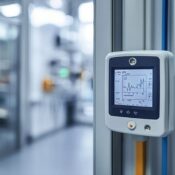
A comprehensive temperature mapping study evaluates every area within blood storage refrigerators and freezers using calibrated data loggers. The study identifies areas where temperatures may fluctuate and provides recommendations to improve storage performance. By performing a regular temperature mapping study, blood banks can confidently maintain product quality while supporting patient safety.
Supporting Reliable Laboratory Operations
Medical laboratories depend on accurate test results to support diagnosis and treatment decisions. Many laboratory reagents, chemicals, and biological samples require stable environmental conditions throughout storage.
A professional temperature mapping study helps laboratories confirm that refrigerators, incubators, cold rooms, and freezers maintain uniform temperatures throughout the storage space. This validation minimizes the risk of sample degradation and improves confidence in laboratory testing processes.
Regular temperature mapping study activities also support quality management systems and demonstrate compliance with regulatory expectations during inspections.
Regulatory Compliance and Quality Assurance
Healthcare facilities, blood banks, and laboratories are expected to maintain documented evidence that storage conditions remain within acceptable limits. A properly executed temperature mapping study provides this evidence through comprehensive reports, calibrated equipment, detailed temperature analysis, and documented recommendations.
Temperature mapping studies also help organizations comply with national and international quality standards by verifying that storage equipment performs as intended under normal operating conditions.
Periodic temperature mapping study services are especially important after equipment installation, maintenance, relocation, or significant environmental changes, ensuring that storage performance remains consistent over time.
Benefits of Conducting a Temperature Mapping Study
A professionally conducted temperature mapping study offers numerous benefits, including:
Protects blood products and biological samples from temperature excursions.
Ensures stable storage conditions for laboratory reagents and medical supplies.
Identifies hot spots and cold spots before they become critical issues.
Supports regulatory compliance and audit readiness.
Reduces product loss and operational risks.
Improves confidence in laboratory testing and blood storage processes.
Provides documented evidence of storage performance.
By investing in regular temperature mapping study services, healthcare organizations can safeguard product quality, enhance patient safety, and improve operational efficiency.
Redlines – Your Trusted Temperature Mapping Study Partner
At Redlines, we specialize in providing professional temperature mapping study services for blood banks, medical laboratories, hospitals, pharmaceutical facilities, healthcare institutions, and temperature-controlled storage environments.
Our experienced team uses calibrated data loggers and internationally accepted validation procedures to deliver accurate, reliable, and fully documented temperature mapping study reports that support regulatory compliance and quality assurance.
We proudly provide temperature mapping study services across Saudi Arabia, including Riyadh, Jeddah, and Dammam. Whether you require validation for blood storage refrigerators, laboratory freezers, cold rooms, or pharmaceutical warehouses, Redlines delivers dependable solutions tailored to your operational requirements.
Visit www.redlines.sa to learn more about our professional temperature mapping study services and discover how Redlines can help your organization maintain stable storage conditions, protect valuable biological products, and achieve regulatory compliance with confidence.