
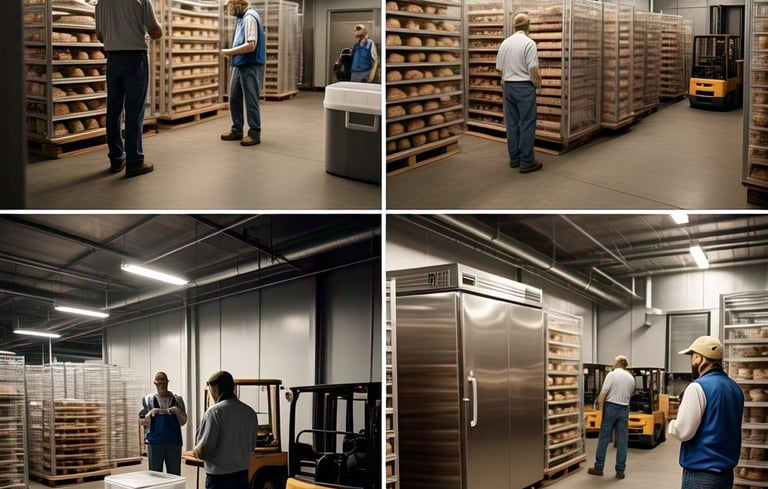
Cold storage facilities with multiple compartments are widely used in logistics, food distribution, and pharmaceutical industries. In cities like Dammam, where environmental temperatures can be extremely high, maintaining stable temperatures inside multi-compartment cold rooms becomes a critical challenge. This is where a professional temperature mapping study combined with effective thermal zoning strategies becomes essential.
A well-planned temperature mapping study helps facility managers understand how temperature behaves in each compartment of a cold room. Without conducting a proper temperature mapping study, temperature variations between compartments may go unnoticed, potentially affecting product safety and quality.
Understanding Thermal Zoning in Cold Rooms
Thermal zoning refers to dividing a cold storage facility into different temperature-controlled zones based on storage requirements. Multi-compartment cold rooms often store products that require different temperature ranges, such as frozen goods, chilled food, and temperature-sensitive pharmaceuticals.
To ensure these zones operate efficiently, a temperature mapping study is conducted to analyze how temperature distributes across each section of the cold room. The results of a temperature mapping study help identify hot spots, cold spots, airflow issues, and recovery times after door openings.
In regions like Saudi Arabia, where external heat loads can be significant, a temperature mapping study becomes even more important to ensure stable cooling performance.
Challenges in Multi-Compartment Cold Rooms
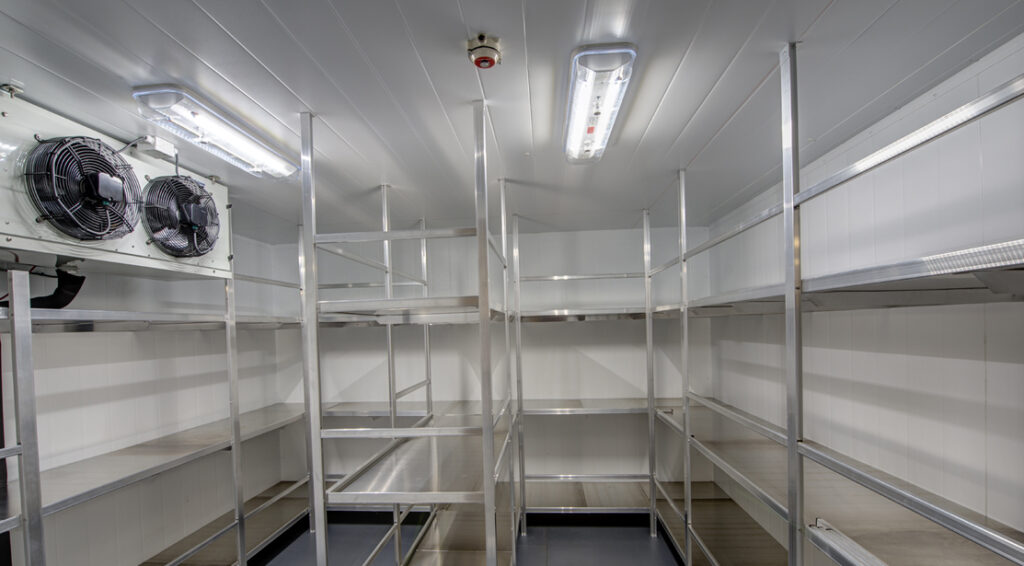
Multi-compartment cold rooms present unique operational challenges that require a detailed temperature mapping study to resolve. Some of the common issues include:
- Temperature transfer between adjacent compartments
- Uneven airflow distribution
- Frequent door openings between sections
- High external temperatures affecting insulation
- Different cooling loads for each compartment
A comprehensive temperature mapping study evaluates these factors and provides a clear understanding of how thermal conditions behave within each zone.
Importance of Temperature Mapping Study for Thermal Zoning
A temperature mapping study plays a vital role in designing and validating thermal zoning strategies. By placing calibrated data loggers across multiple compartments, engineers can monitor temperature variations under real operational conditions.
Through this process, a temperature mapping study helps to:
- Validate whether each compartment maintains its required temperature range
- Detect areas where temperature mixing occurs between zones
- Evaluate airflow efficiency and circulation patterns
- Measure temperature recovery time after door openings
- Identify improvements for insulation and cooling equipment
Without a proper temperature mapping study, cold rooms may unknowingly operate with unstable temperature zones, increasing the risk of product spoilage.
Operational Benefits of Thermal Zoning
When supported by a detailed temperature mapping study, thermal zoning provides several advantages for cold storage facilities:
- Better temperature control for different product categories
- Improved energy efficiency
- Reduced risk of product damage or spoilage
- Enhanced compliance with food safety and pharmaceutical storage regulations
- Improved monitoring and operational management
By implementing thermal zoning strategies based on temperature mapping study data, facilities can maintain consistent environmental control even under demanding conditions.
Redlines Temperature Mapping Services in Saudi Arabia
At Redlines, we specialize in delivering professional temperature mapping study services across Saudi Arabia, including Riyadh, Jeddah, and Dammam.
Our expert team conducts detailed temperature mapping study assessments for multi-compartment cold rooms to ensure each zone operates within its required temperature limits. Using calibrated data loggers and industry-approved methodologies, we analyze real-time environmental conditions to deliver accurate and reliable results.
Our temperature mapping study services include:
- Cold room temperature mapping
- Multi-zone warehouse mapping
- HVAC performance validation
- Compliance documentation for audits
- Detailed analysis reports and improvement recommendations
By performing a comprehensive temperature mapping study, Redlines helps businesses maintain safe, compliant, and efficient cold storage operations.
Conclusion
Multi-compartment cold rooms require careful planning and monitoring to maintain stable thermal zones. In high-temperature environments like Dammam and other regions of Saudi Arabia, even small temperature fluctuations can impact product quality.
Conducting a professional temperature mapping study is the most effective way to validate thermal zoning strategies and ensure consistent cooling performance across all compartments.
To learn more about our temperature mapping services, visit:
www.Redlines.sa
Redlines proudly provides temperature mapping study services in Riyadh, Jeddah, Dammam, and throughout Saudi Arabia—helping businesses achieve reliable temperature control and regulatory compliance in their cold storage facilities.