
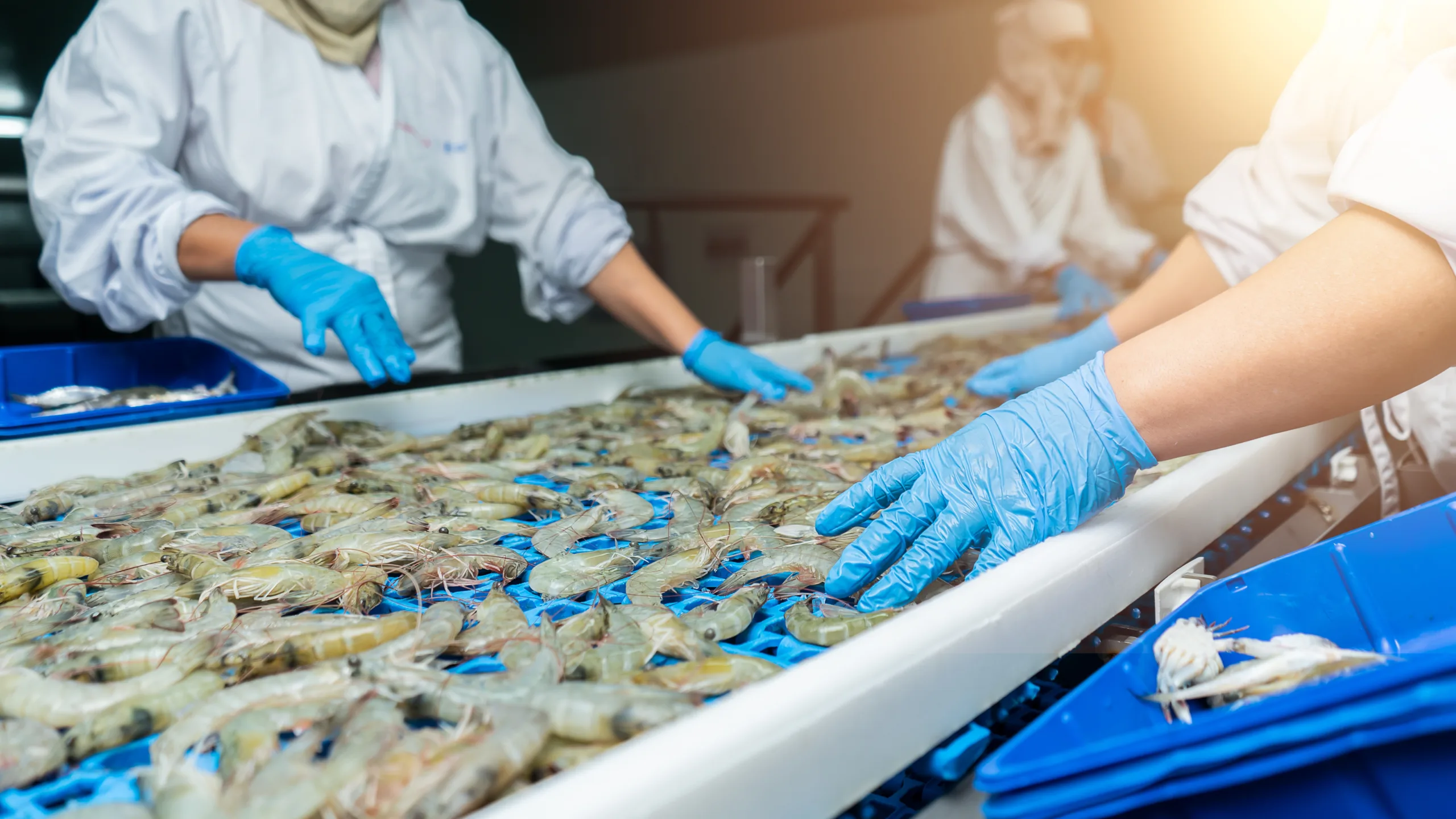
Seafood storage demands absolute precision in temperature control, especially in busy coastal trade hubs like Jeddah. As one of the main port cities in Saudi Arabia, Jeddah handles large volumes of imported and locally sourced seafood daily. Maintaining freshness, safety, and regulatory compliance in these port-area cold storage facilities requires more than just refrigeration—it requires a professional temperature mapping study.
Why Temperature Control Is Critical for Seafood
Seafood is highly perishable and extremely sensitive to temperature fluctuations. Even minor deviations from the recommended storage range can lead to bacterial growth, texture deterioration, and product spoilage. In port environments where goods are constantly loaded and unloaded, cold storage facilities face additional challenges such as:
- Frequent door openings
- High ambient coastal humidity
- Heavy equipment traffic
- Variable product loads
A comprehensive temperature mapping study helps identify how these operational factors influence temperature stability across the entire storage area.
The Importance of Temperature Mapping Study in Port Facilities
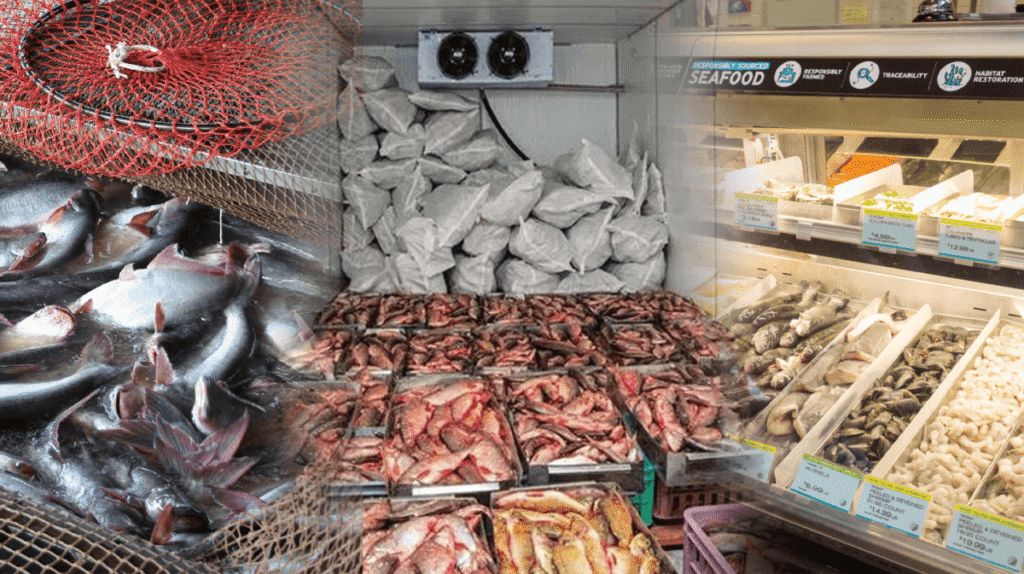
Cold storage units in Jeddah’s port areas are exposed to hot outdoor air and saline coastal conditions. Without conducting a proper temperature mapping study, facility managers may overlook uneven cooling zones or hidden hot spots.
A professional temperature mapping study involves placing calibrated data loggers in multiple strategic positions inside the cold room. These devices continuously record temperature data over a defined period, simulating real operational conditions. The results of a temperature mapping study provide a clear picture of:
- Temperature distribution patterns
- Recovery time after door openings
- Cooling system performance under full load
- Areas affected by external heat infiltration
- Compliance with food safety standards
For seafood storage, where even a 1–2°C deviation can impact quality, a temperature mapping study is not optional—it is essential.
Challenges in Jeddah’s Port Environment
Jeddah’s coastal climate presents unique challenges for cold storage operations. High humidity levels increase the risk of condensation inside cold rooms. When combined with frequent port activity, these conditions can strain refrigeration systems.
A detailed temperature mapping study helps identify whether the system is maintaining consistent temperatures despite environmental pressures. It can also detect whether insulation weaknesses or airflow obstructions are affecting cooling efficiency.
Without a temperature mapping study, seafood distributors risk product rejection, regulatory penalties, and significant financial losses.
Regulatory Compliance and Quality Assurance
Food safety authorities in Saudi Arabia require strict adherence to temperature control standards for perishable goods. A documented temperature mapping study provides evidence that a facility maintains the required temperature range consistently.
For seafood exporters and importers operating in Jeddah’s port areas, a temperature mapping study ensures:
- Compliance with national food safety regulations
- Audit readiness
- Reduced risk of product recalls
- Protection of brand reputation
- Increased customer confidence
By regularly conducting a temperature mapping study, businesses can proactively address temperature instability before it affects product quality.
Redlines Temperature Mapping Services in Saudi Arabia
At Redlines, we specialize in professional temperature mapping study services across Saudi Arabia, including Jeddah, Dammam, and Riyadh.
We understand the operational pressures of seafood cold storage facilities in port areas. Our temperature mapping study services are conducted using advanced calibrated equipment and industry-approved methodologies. We evaluate storage conditions during actual operating hours to ensure accurate and reliable results.
Our temperature mapping study reports include:
- Detailed temperature graphs
- Identification of hot and cold spots
- System performance analysis
- Risk assessment
- Actionable recommendations
By partnering with Redlines, seafood businesses can ensure their cold storage facilities operate efficiently and comply with all necessary standards.
Conclusion
Seafood cold storage in Jeddah’s port areas requires strict temperature control to protect product quality and meet regulatory requirements. Environmental conditions, frequent loading operations, and coastal humidity all contribute to temperature instability.
A professional temperature mapping study is the most effective way to monitor, analyze, and optimize cold storage performance. It provides accurate data, ensures compliance, and safeguards valuable inventory.
To learn more about our temperature mapping study services in Saudi Arabia, visit:
www.Redlines.sa
Redlines proudly delivers reliable and compliant temperature mapping study solutions across Jeddah, Dammam, Riyadh, and throughout Saudi Arabia, helping seafood facilities maintain freshness from port to plate.