
Saudi Arabia faces some of the most intense summer temperatures in the world—often crossing 45°C, with humidity spikes in coastal areas like Jeddah and Dammam, and dry heat waves in Riyadh. For industries handling pharmaceuticals, food, cosmetics, chemicals, and sensitive electronics, these extreme conditions can lead to significant product degradation and financial loss. This is where a temperature mapping study becomes essential. As a trusted provider of temperature mapping services across Saudi Arabia, Redlines ensures that businesses remain compliant, efficient, and protected from heat-related risks. More details are available at www.Redlines.sa.
Why Temperature Mapping Study Is Critical During Saudi Summers
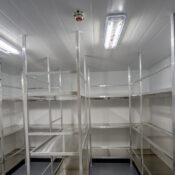
A professional temperature mapping study identifies hot and cold zones within storage and transport environments—such as warehouses, cold rooms, vehicles, and production facilities. During Saudi summers, temperatures fluctuate rapidly, and without proper visibility, heat can compromise product stability. For example, pharmaceutical vials stored near loading docks may experience unexpected spikes, while certain freezer sections may struggle to maintain proper cooling during peak electricity loads.
By conducting a detailed temperature mapping study, companies can understand real-world thermal behavior rather than relying solely on thermostat readings. This insight helps prevent product spoilage, maintain regulatory compliance, and guarantee customer safety.

Key Techniques Used to Prevent Heat-Related Product Loss
1. Deploying Data Loggers at Multiple Critical Points
A proper temperature mapping study uses calibrated sensors placed strategically across storage areas. During summer months in Jeddah, coastal humidity often causes uneven cooling. Data loggers help detect these micro-climate variations so businesses can adjust cooling systems or relocate sensitive products.
2. Evaluating Airflow Patterns
Temperature inconsistencies often arise due to poor airflow. In major logistics hubs like Dammam, many warehouses struggle with uneven circulation during extreme heat. Through a comprehensive temperature mapping study, Redlines identifies stagnant pockets and recommends airflow improvements such as fan configuration changes or duct system enhancements.
3. Stress Testing Under Maximum Summer Loads
Saudi summers put refrigeration units and HVAC systems under immense pressure. A robust temperature mapping study simulates worst-case scenarios to test whether systems can hold temperature during peak heat conditions. This is especially crucial in Riyadh, where dry desert winds can raise external temperatures abruptly.
4. Monitoring Vehicle Temperatures During Transport
Heat risks are not limited to warehouses. Transport vehicles are even more vulnerable during long trips across Saudi Arabia. Temperature mapping for refrigerated trucks ensures temperature stability throughout the journey. Redlines performs mapping studies for both static and dynamic truck conditions, helping businesses avoid losses during intercity transport.
5. Remote Monitoring & Real-Time Alerts
Integrating IoT sensors with temperature mapping study results allows companies to set up automated alerts for temperature excursions. This ensures immediate action before product quality is compromised—something crucial during unpredictable summer heatwaves.
Case Studies Highlighting Effective Temperature Mapping
Pharmaceutical Warehouse in Riyadh
A major pharmaceutical distributor in Riyadh experienced frequent temperature deviations in its main cold room during summer. After Redlines performed a complete temperature mapping study, several blind spots were identified. By improving insulation and airflow, excursions were eliminated, protecting millions of riyals worth of inventory.
Food Storage Facility in Jeddah
A Jeddah-based food importer struggled with melting and spoilage during peak humidity. Redlines conducted a temperature mapping study, revealing that certain storage racks were exposed to warm zones caused by open dock doors. After reorganizing product placement and adjusting cooling direction, spoilage dropped significantly.
Conclusion
Heat-related product loss can severely impact business operations during Saudi summers. By investing in a professional temperature mapping study, companies ensure product integrity, regulatory compliance, and long-term operational stability.
Redlines proudly provides advanced temperature mapping services across Saudi Arabia, including Jeddah, Dammam, and Riyadh. To learn more or book a study, visit www.Redlines.sa.