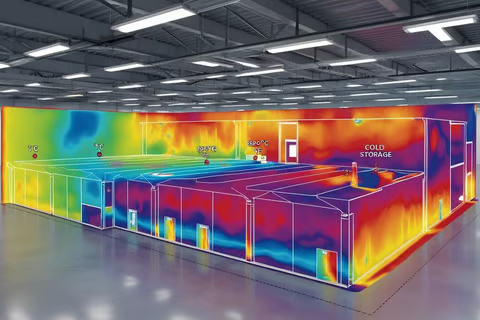
Jeddah’s coastal climate brings unique storage challenges for businesses operating warehouses across the region. With its high humidity, fluctuating temperatures, and seasonal heatwaves, maintaining product quality becomes increasingly complex—especially for temperature-sensitive goods. This is where the importance of conducting a comprehensive temperature mapping study becomes essential. Businesses throughout Saudi Arabia, particularly in Jeddah, Dammam, and Riyadh, rely on accurate data to ensure storage stability year-round. At Redlines (www.Redlines.sa), we support companies with advanced temperature mapping solutions tailored to the Kingdom’s diverse climatic conditions.
Understanding Jeddah’s Seasonal Climate Risks
Located on the Red Sea, Jeddah experiences some of the most challenging environmental conditions in Saudi Arabia. Summers reach extreme temperatures, while humidity levels remain persistently high. These factors often create unpredictable microclimates within warehouses. Even with modern HVAC systems, pockets of hot and cold zones can form between shelves, corners, high-stacked pallets, and loading bays.
A temperature mapping study helps warehouse operators identify these variations by recording real-time conditions over a defined period. Without this insight, companies risk unmonitored temperature drift, which can lead to product spoilage, reduced shelf life, and non-compliance issues—especially for pharmaceuticals, cosmetics, food products, and electronics.
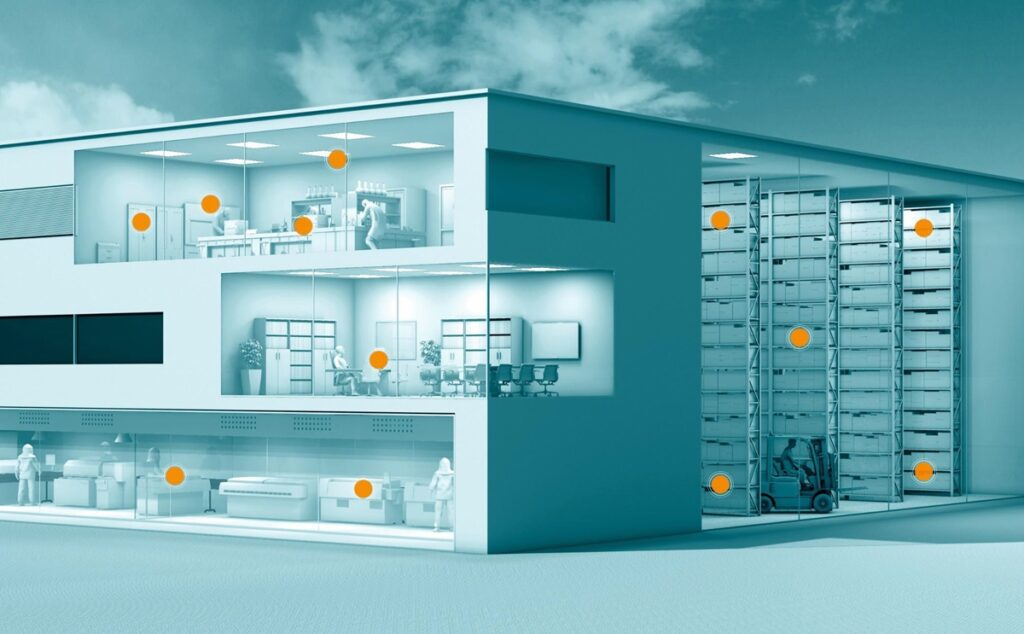
How Temperature Mapping Enhances Seasonal Preparedness
Temperature mapping is not just a compliance requirement; it is a strategic tool for seasonal adaptation. By analyzing data collected during a temperature mapping study, warehouse managers can understand exactly how seasonal shifts affect different zones of their facility.
During Jeddah’s summer, for example, heat infiltration may be stronger near south-facing walls, loading docks, or areas with frequent door openings. In winter, colder airflow patterns may settle near unused corners or poorly insulated areas. A well-conducted temperature mapping study highlights these seasonal behaviors, enabling targeted improvements.
Businesses in Saudi Arabia, Jeddah, Dammam, and Riyadh increasingly rely on Redlines to ensure their warehouses remain compliant and efficient throughout the year.
Energy Efficiency and Operational Optimization
Temperature fluctuations often force HVAC systems to overwork, increasing energy costs—especially during Jeddah’s extreme summer months. A temperature mapping study helps organizations optimize resource usage by pinpointing:
- Energy-loss zones
- Areas requiring additional insulation
- Poor airflow zones
- Overcooling or overheating pockets
By tackling these issues, warehouses achieve better energy efficiency, reduced utility bills, and improved system performance.
Preventing Product Loss and Maintaining Quality
For industries such as pharmaceuticals, logistics, FMCG, and food storage, product integrity is directly linked to temperature stability. Even minor deviations can compromise quality. Seasonal temperature changes in Jeddah heighten these risks, making temperature mapping essential for:
- Maintaining GMP and GDP compliance
- Meeting SFDA and WHO recommendations
- Protecting product potency
- Ensuring safe storage and distribution
Temperature mapping study results allow companies to take corrective actions before issues escalate. This proactive approach safeguards product value and reduces waste—a key concern for businesses operating on tight supply chain schedules.
Redlines: Your Temperature Mapping Partner in Saudi Arabia
At Redlines (www.Redlines.sa), we specialize in delivering comprehensive temperature mapping studies across Saudi Arabia, including Jeddah, Dammam, and Riyadh. Our process includes:
- Engineering-grade data loggers
- Seasonal performance analysis
- Risk assessment and corrective recommendations
- Compliance-focused reporting
- Validation and certification support
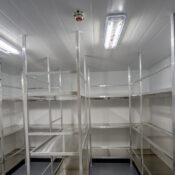
Whether you manage a small cold room or a large multi-zone warehouse, our solutions help you stay prepared for Jeddah’s environmental challenges.
Conclusion
As Jeddah continues to grow as a major commercial hub, warehouse climatization challenges will only intensify. A temperature mapping study is the most reliable strategy for controlling seasonal fluctuations, improving storage conditions, and meeting regulatory standards. With expert support from Redlines, businesses in Saudi Arabia, Jeddah, Dammam, and Riyadh can ensure that their facilities operate safely, efficiently, and in full compliance—no matter the season.