
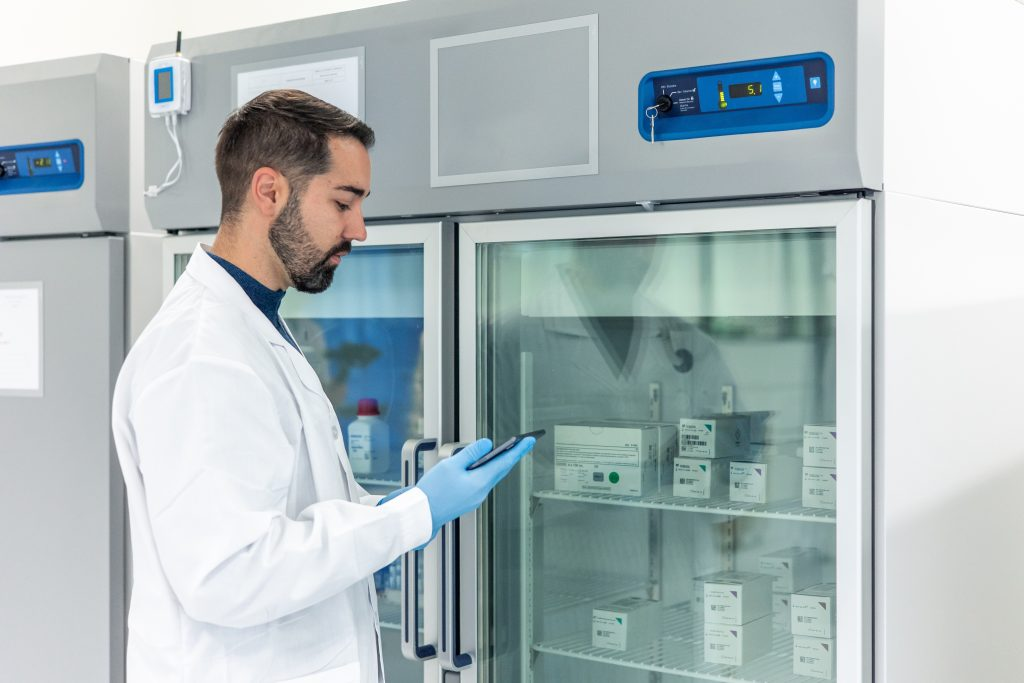
Pharmaceutical importers in Saudi Arabia operate in one of the most climate-challenging environments in the world. With extreme heat, long transportation routes, and strict regulatory requirements, maintaining product stability is critical. For this reason, implementing a risk-based temperature mapping study is not just a compliance requirement—it is a strategic necessity.
Why Pharmaceutical Importers Need a Risk-Based Approach
Unlike standard storage facilities, pharmaceutical warehouses handle temperature-sensitive medicines, vaccines, biologics, and controlled drugs. Even minor temperature deviations can reduce product efficacy or render entire shipments unusable.
A traditional temperature mapping study evaluates temperature distribution within a warehouse or cold room. However, a risk-based temperature mapping study goes further by identifying and prioritizing high-risk zones and operational factors that could impact temperature stability.
For pharmaceutical importers in cities such as Riyadh, Jeddah, and Dammam, a risk-based temperature mapping study ensures storage systems perform effectively under real operating conditions.
Key Risk Factors in Saudi Pharmaceutical Storage
Pharmaceutical importers in Saudi Arabia face several unique challenges, including:
- High ambient temperatures exceeding 45°C
- Frequent loading and unloading operations
- Customs clearance delays at ports and airports
- Power fluctuations
- Large warehouse spaces with varying airflow
A comprehensive temperature mapping study identifies how these factors affect internal storage conditions. A risk-based temperature mapping study then categorizes these risks based on severity and probability, enabling importers to focus on critical control points.

Components of a Risk-Based Temperature Mapping Study
A professional temperature mapping study for pharmaceutical facilities typically includes:
- Risk Assessment Phase
Identifying potential sources of temperature deviation, such as door openings, equipment failure, or insulation weaknesses. - Strategic Sensor Placement
In a risk-based temperature mapping study, data loggers are placed in high-risk areas, including near doors, ceiling levels, corners, and pallet centers. - Operational Simulation
The temperature mapping study is conducted during peak operational hours to capture realistic data. - Data Analysis & Reporting
Detailed analysis highlights temperature trends, recovery times, and critical zones. - Corrective Action Recommendations
Based on temperature mapping study findings, actionable improvements are proposed.
This structured approach ensures pharmaceutical importers meet Saudi regulatory expectations while protecting product integrity.
Regulatory Compliance and Audit Readiness
Saudi pharmaceutical importers must comply with strict storage guidelines to ensure product safety. A documented temperature mapping study provides evidence of environmental control and validation.
A risk-based temperature mapping study supports:
- Good Distribution Practice (GDP) compliance
- Audit preparedness
- Reduced risk of product recalls
- Protection against regulatory penalties
- Enhanced customer confidence
Without a proper temperature mapping study, pharmaceutical importers expose themselves to significant financial and reputational risks.
Benefits of Risk-Based Temperature Mapping
Implementing a risk-based temperature mapping study offers several advantages:
- Early detection of temperature instability
- Optimized HVAC performance
- Improved energy efficiency
- Reduced product loss
- Data-driven decision making
By focusing on risk-priority areas, pharmaceutical importers can allocate resources effectively and ensure consistent temperature control.
Redlines Temperature Mapping Services in Saudi Arabia
At Redlines, we specialize in delivering professional and compliant temperature mapping study services across Saudi Arabia, including Riyadh, Jeddah, and Dammam.
Our expert team conducts comprehensive risk-based temperature mapping study assessments tailored specifically for pharmaceutical importers. We use calibrated equipment, validated methodologies, and industry best practices to ensure accurate results.
Our temperature mapping study services include:
- Warehouse temperature mapping
- Cold room validation
- Stability chamber mapping
- Risk assessment analysis
- Regulatory documentation support
Through our structured temperature mapping study process, we help pharmaceutical importers maintain full compliance and operational excellence.
Conclusion
In Saudi Arabia’s demanding climate, pharmaceutical importers cannot rely on assumptions when it comes to temperature control. A risk-based temperature mapping study provides the data, validation, and confidence needed to protect sensitive products.
By conducting regular temperature mapping study assessments, pharmaceutical businesses can minimize risk, ensure compliance, and safeguard patient safety.
To learn more about our services, visit:
www.Redlines.sa
Redlines proudly provides risk-based temperature mapping study solutions in Riyadh, Jeddah, Dammam, and throughout Saudi Arabia—helping pharmaceutical importers maintain precision, compliance, and reliability in every shipment.