
Ensuring food safety from farms to consumer markets is a critical challenge across Saudi Arabia, where long transportation distances, extreme climate conditions, and diverse storage environments can impact product quality. From agricultural fields to processing centers, warehouses, transport vehicles, and retail outlets, maintaining the right temperature is essential. A temperature mapping study plays a vital role in safeguarding food integrity throughout this farm-to-market journey.
At Redlines, we provide professional temperature mapping study services across Saudi Arabia, Riyadh, Jeddah, and Dammam, helping food producers, logistics operators, and distributors maintain consistent temperature control and regulatory compliance. Learn more at www.Redlines.sa.
Understanding Farm-to-Market Temperature Challenges
Food products in Saudi Arabia often travel long distances from farms located in rural or desert regions to urban markets such as Riyadh, Jeddah, and Dammam. Along the way, products are exposed to varying ambient temperatures, handling conditions, and storage environments. Without proper monitoring, even small temperature deviations can lead to spoilage, reduced shelf life, or safety risks.
A temperature mapping study provides a scientific assessment of temperature behavior across every stage of food travel. By placing calibrated sensors in storage areas, vehicles, and handling zones, a temperature mapping study identifies critical control points where temperature fluctuations are most likely to occur.
Supporting Safe Harvest and Initial Storage
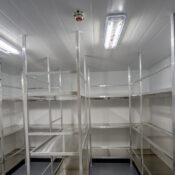
The farm-to-market process begins immediately after harvest. Fresh produce, dairy, meat, and frozen goods must be cooled or stored at controlled temperatures to prevent microbial growth. A temperature mapping study helps farms and collection centers understand how temperature varies within cold rooms, blast chillers, or temporary storage facilities.
In regions supplying major cities like Riyadh and Jeddah, temperature mapping studies reveal hot spots near doors, loading docks, or poorly ventilated areas. This insight allows operators to optimize storage layouts, improve airflow, and maintain uniform cooling from the very first stage of food handling.

Enhancing Cold Chain Transportation
Transportation is one of the most vulnerable stages in farm-to-market food travel. Refrigerated trucks and containers face constant challenges such as door openings, vehicle loading patterns, and fluctuating external temperatures.
A temperature mapping study evaluates how well refrigerated vehicles maintain temperature consistency during transit across Saudi Arabia’s vast road networks. By analyzing data from multiple points inside the vehicle, a temperature mapping study helps logistics providers identify weaknesses in insulation, airflow, or equipment performance.
For routes serving Dammam, Riyadh, and Jeddah, these insights are critical to ensuring food arrives in safe condition, regardless of travel time or climate exposure.
Optimizing Distribution Centers and Wholesale Storage
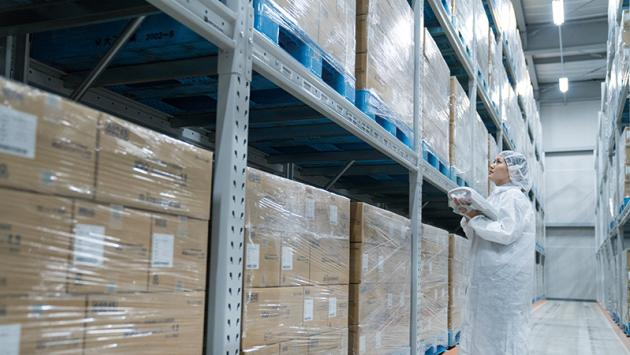
Once food reaches distribution centers or wholesale markets, maintaining temperature control remains essential. A temperature mapping study assesses temperature stability in cold rooms, freezers, and ambient storage zones within these facilities.
In busy hubs across Saudi Arabia, temperature mapping studies often reveal temperature variations caused by high throughput, frequent door activity, or uneven airflow. Addressing these findings reduces product loss, supports regulatory compliance, and ensures consistent quality before goods move to retail outlets.
Ensuring Compliance and Food Safety Standards
Food safety authorities in Saudi Arabia require documented evidence of effective temperature control across the supply chain. A temperature mapping study provides detailed reports that demonstrate compliance with food safety regulations and quality standards.
For food businesses operating across Riyadh, Jeddah, and Dammam, temperature mapping studies also support audit readiness, risk assessments, and continuous improvement initiatives. These studies help prevent costly recalls, customer complaints, and reputational damage.
Why Temperature Mapping Studies Matter for Farm-to-Market Success
A temperature mapping study transforms temperature management from guesswork into data-driven decision-making. By identifying risks early and validating control measures, businesses can protect food quality from farm to market.
At Redlines, we specialize in delivering accurate and compliant temperature mapping study services across Saudi Arabia, Riyadh, Jeddah, and Dammam. Our expertise supports safe food travel, strong cold chain performance, and long-term operational confidence.
To learn how our temperature mapping study services can strengthen your farm-to-market food operations, visit www.Redlines.sa.