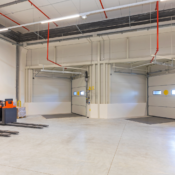

In a country like Saudi Arabia, desert dust is not just an environmental concern—it is a serious operational challenge for temperature-controlled facilities. From warehouses and cold rooms to pharmaceutical storage units and food processing plants, airborne dust significantly affects cooling efficiency. This is why conducting a professional temperature mapping study is critical to understanding how desert dust impacts internal temperature stability.
The Hidden Impact of Desert Dust on Cooling Systems
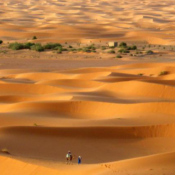
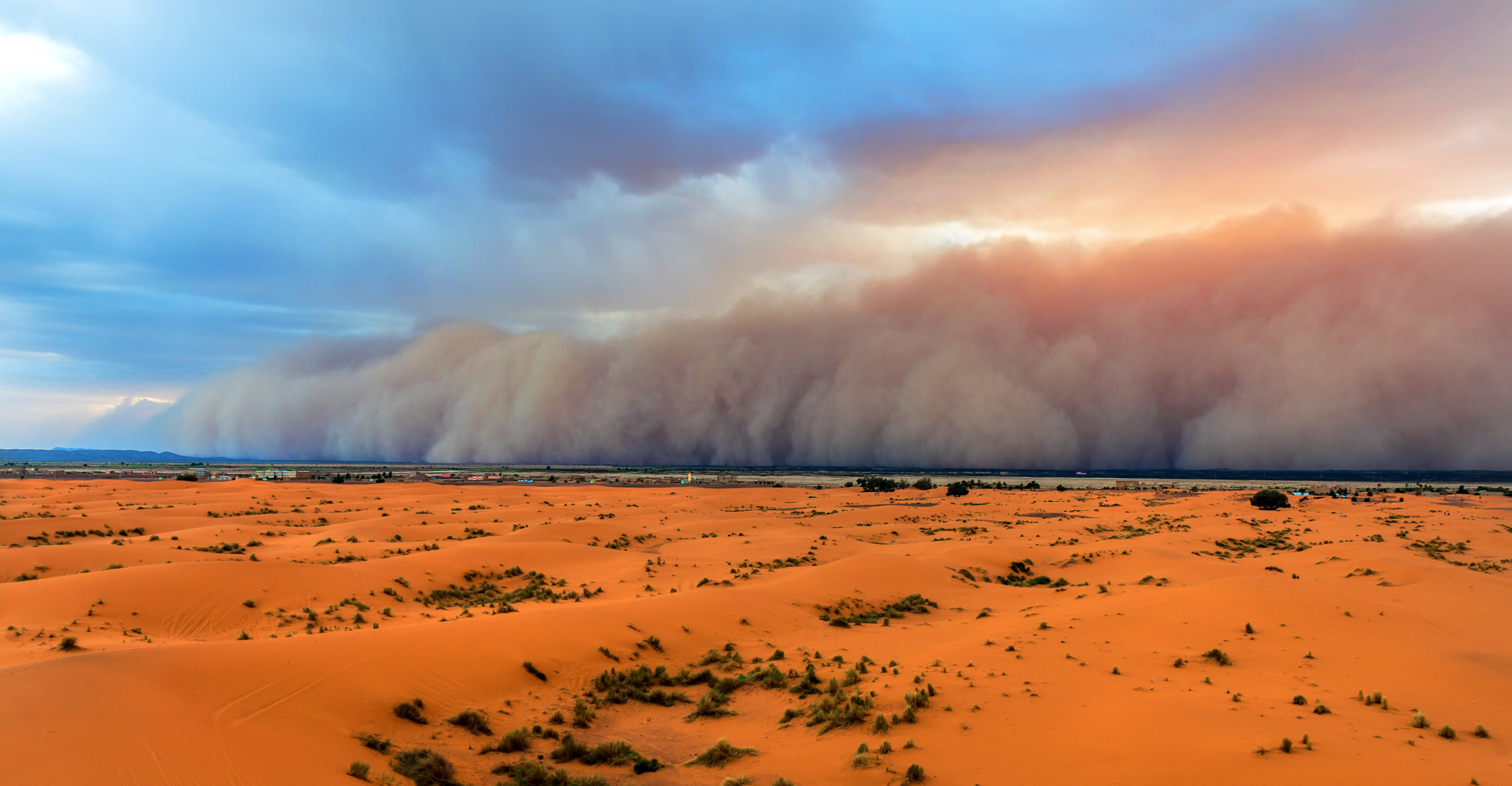
Saudi Arabia’s desert climate means that facilities in cities such as Riyadh, Jeddah, and Dammam are frequently exposed to dust storms and airborne sand particles. These particles enter facilities through ventilation systems, door openings, and even minor structural gaps.
Once inside, desert dust accumulates on:
- Air conditioning filters
- Cooling coils
- Condenser units
- Evaporator fins
- Air ducts
This buildup reduces airflow and decreases heat exchange efficiency. As a result, cooling systems must work harder to maintain the required temperature range. Over time, this leads to uneven cooling distribution—something that can only be properly detected through a detailed temperature mapping study.
How Desert Dust Affects Temperature Mapping Study Results
A comprehensive temperature mapping study measures temperature distribution across different zones within a facility. However, when desert dust interferes with cooling systems, the results of a temperature mapping study may reveal:
- Hot spots in poorly ventilated corners
- Slow temperature recovery after door openings
- Uneven airflow patterns
- Increased compressor cycling
- Extended cooling system runtimes
Without conducting a temperature mapping study, these performance issues might remain hidden until product quality is compromised.
For example, in pharmaceutical or food storage facilities, even minor temperature fluctuations can result in regulatory non-compliance. A professional temperature mapping study helps identify whether desert dust accumulation is causing performance degradation.
Why Temperature Mapping Study Is Essential in Saudi Facilities
In dusty environments like those found across Saudi Arabia, routine maintenance alone is not enough. A structured temperature mapping study provides data-driven insights into how environmental factors affect cooling efficiency.
A temperature mapping study allows facility managers to:
- Validate system performance under real operating conditions
- Identify temperature deviations linked to airflow restrictions
- Determine whether dust buildup is impacting heat exchange
- Evaluate recovery times after cleaning or maintenance
- Ensure compliance with Saudi regulatory standards
Facilities that skip regular temperature mapping study assessments risk energy inefficiency, product spoilage, and higher operational costs.
Preventive Strategies Based on Temperature Mapping Study Data
Once a temperature mapping study identifies areas affected by reduced cooling efficiency due to desert dust, corrective actions can include:
- Upgrading filtration systems
- Increasing filter replacement frequency
- Sealing structural gaps
- Installing air curtains at entry points
- Implementing preventive coil cleaning schedules
Each of these improvements should be guided by findings from a professional temperature mapping study to ensure measurable results.
Redlines Temperature Mapping Services Across Saudi Arabia
At Redlines, we specialize in providing professional temperature mapping study services throughout Saudi Arabia, including Riyadh, Jeddah, and Dammam.
Our expert team conducts detailed temperature mapping study assessments using advanced calibrated data loggers and validated protocols. We evaluate cooling system performance, airflow distribution, and environmental influences such as desert dust accumulation.
Our temperature mapping study services include:
- Warehouse temperature mapping
- Cold room validation
- Stability studies
- HVAC performance evaluation
- Regulatory compliance documentation
By performing a comprehensive temperature mapping study, we help businesses identify inefficiencies before they become costly problems.
Conclusion
Desert dust is an unavoidable reality in Saudi Arabia, but its impact on cooling efficiency and temperature stability should not be underestimated. Over time, dust accumulation reduces system performance and creates uneven temperature distribution—risks that can only be properly identified through a professional temperature mapping study.
Regular temperature mapping study assessments ensure that facilities maintain stable storage conditions despite environmental challenges. For companies operating in Riyadh, Jeddah, Dammam, and across Saudi Arabia, investing in a structured temperature mapping study is essential for operational reliability and compliance.
To learn more about our services, visit:
www.Redlines.sa