
With demand for frozen foods, pharmaceuticals, and sensitive perishable products increasing rapidly across Saudi Arabia, ensuring a reliable cold chain has become essential. From massive distribution centers to retail outlets spread across the Kingdom, frozen goods must remain within strict temperature ranges to maintain their quality, safety, and shelf life. A comprehensive temperature mapping study plays a crucial role in monitoring and optimizing every stage of this cold chain. Redlines, a leading service provider of temperature mapping study across Jeddah, Dammam, Riyadh, and the rest of Saudi Arabia, helps businesses safeguard product integrity with advanced data-driven solutions. More information is available at www.Redlines.sa.
Why Temperature Mapping Study Is Essential for Frozen Goods
Frozen goods are highly sensitive to even minor temperature fluctuations. If products are exposed to warmer zones for just a few minutes during storage or transportation, ice crystals can melt, refreeze, and compromise product texture, safety, and value. A proper temperature mapping study identifies these high-risk zones and ensures that warehouses, freezers, and transport vehicles maintain consistent temperatures throughout operations.
For a vast country like Saudi Arabia, where long-distance transport between Jeddah, Dammam, and Riyadh is common, mapping ensures that products remain safe across every climatic region—from coastal humidity to desert heat.
Optimizing Warehouses Through Mapping
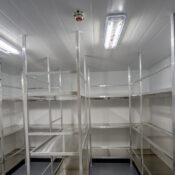
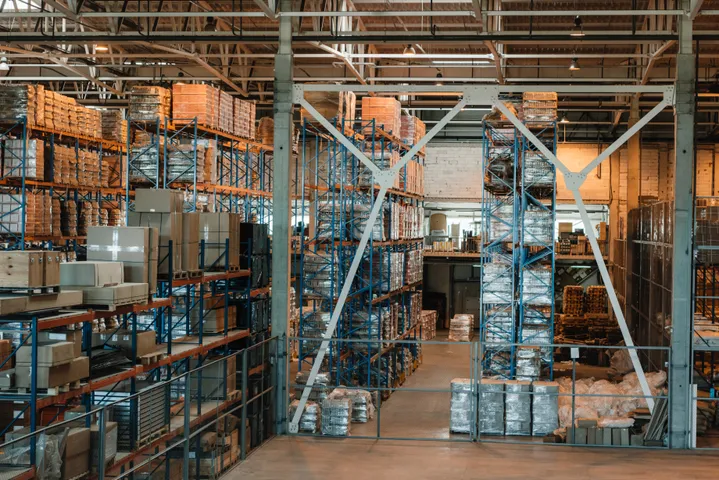
Warehouses are the starting point of the cold chain. A detailed temperature mapping study identifies hot spots, cold zones, and airflow inconsistencies inside large cold storage areas. For example, in many frozen storage facilities in Dammam, temperature deviations often occur near loading docks due to frequent door openings. Mapping helps highlight these problem areas so operators can add insulation, redesign shelving setups, or adjust HVAC/freeze unit placement.
In Jeddah, where humidity affects freezer performance, a temperature mapping study helps technicians evaluate defrost cycles, airflow distribution, and appropriate placement of temperature sensors. These insights allow warehouse managers to maintain consistent sub-zero temperatures, reducing the risk of product thawing or spoilage.
Mapping for Transportation: Maintaining the Frozen Chain on the Move
Transporting frozen goods across the Kingdom poses unique challenges. Long distances, extreme external temperatures, and road delays can affect product stability. A temperature mapping study for refrigerated trucks ensures that cooling systems perform effectively under real driving conditions.
Redlines conducts both static and dynamic temperature mapping studies for transport fleets in Riyadh, Jeddah, and Dammam. The study monitors the temperature during parking, driving, and peak heat hours. By doing so, businesses can identify:
- Heat infiltration points
- Cooling system inefficiencies
- Zones where frozen products are more likely to thaw
- Delays in temperature recovery after door openings
These insights ensure that the cold chain remains unbroken from warehouse to retail delivery.
Ensuring Retail Integrity Through Mapping
Retail outlets represent the final stage of the cold chain. Freezers, display units, and storage backrooms must maintain consistent temperature control to ensure frozen goods remain safe for consumer purchase. A temperature mapping study helps retailers:
- Verify that freezers reach and maintain the required temperatures
- Identify shelving positions where temperature fluctuations occur
- Improve freezer door management
- Ensure equipment can withstand peak customer traffic times
For supermarkets across Saudi Arabia, especially in busy urban centers like Riyadh, these insights are vital to maintaining product quality and regulatory compliance.
Case Example: National Frozen Goods Distributor
A Kingdom-wide frozen goods distributor operating between Jeddah, Riyadh, and Dammam recently partnered with Redlines for a complete temperature mapping study. The mapping revealed air stratification in the warehouse, slow cooling recovery during transport, and freezer unit inconsistencies in retail outlets. After implementing the recommended improvements, product complaints dropped significantly, and energy efficiency increased across the entire cold chain.
Conclusion
Effective cold chain optimization in Saudi Arabia depends heavily on a robust temperature mapping study at every stage—from warehouses to retail outlets. By identifying temperature risks early, companies can protect product integrity, reduce operational losses, and ensure reliable, safe distribution across the Kingdom.
Redlines proudly offers expert temperature mapping study services across Jeddah, Dammam, Riyadh, and all of Saudi Arabia. To schedule a mapping study or learn more, visit www.Redlines.sa.