

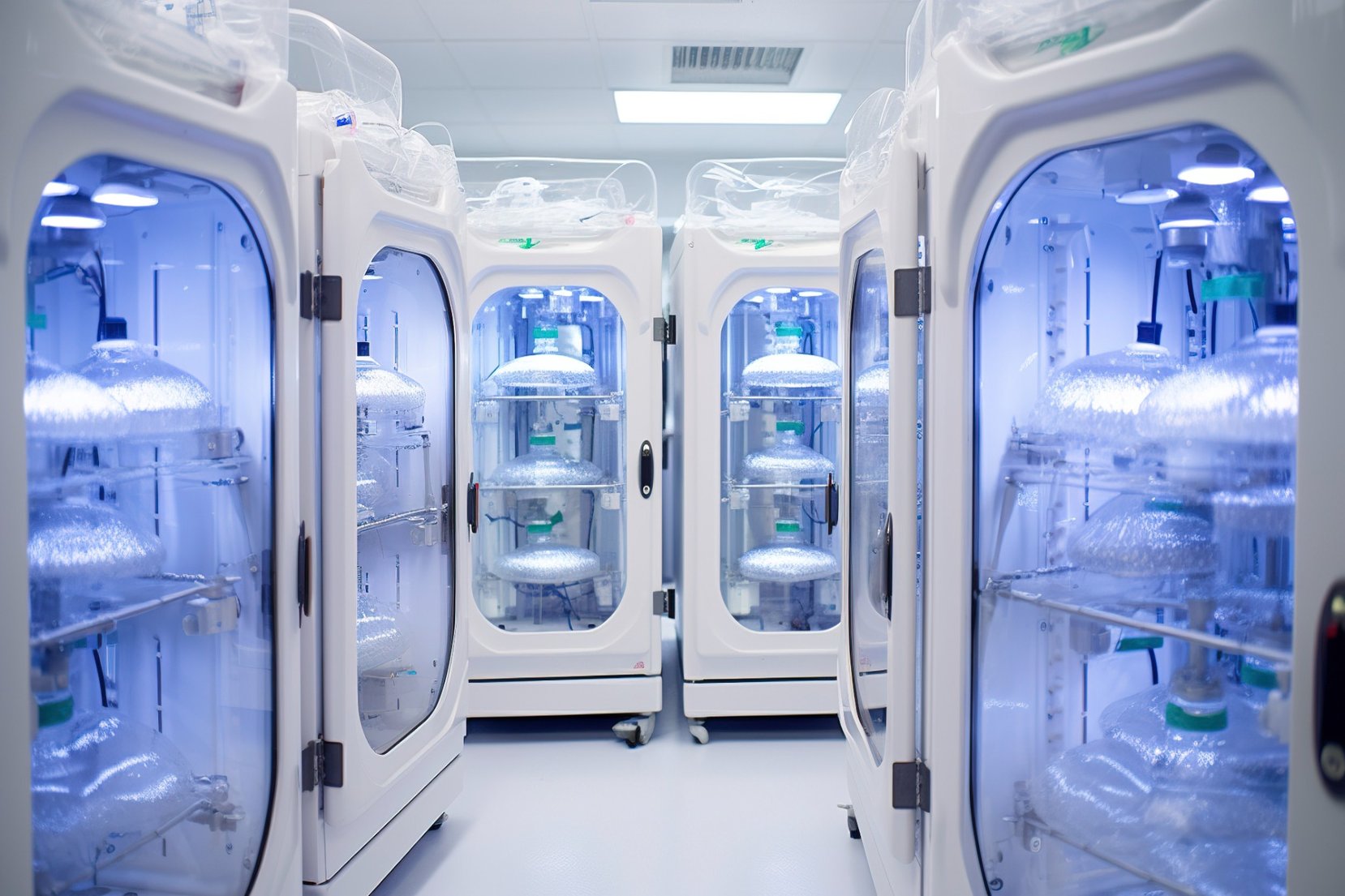
Airport catering and travel food logistics operate under intense pressure. Tight timelines, strict food safety regulations, and Riyadh’s extreme climate make temperature control a non-negotiable requirement. From meal preparation kitchens to cold storage rooms and refrigerated transport vehicles, even a small temperature deviation can compromise food safety and airline compliance. This is where a temperature mapping study becomes a critical operational tool.
Redlines (www.Redlines.sa) provides professional temperature mapping study services across Saudi Arabia, including Riyadh, Jeddah, and Dammam, helping airport catering companies and food logistics providers maintain safe, compliant, and efficient operations.
Below are five key benefits of temperature mapping studies for airport catering and travel food logistics in Riyadh.
1. Ensuring Food Safety in High-Risk Environments
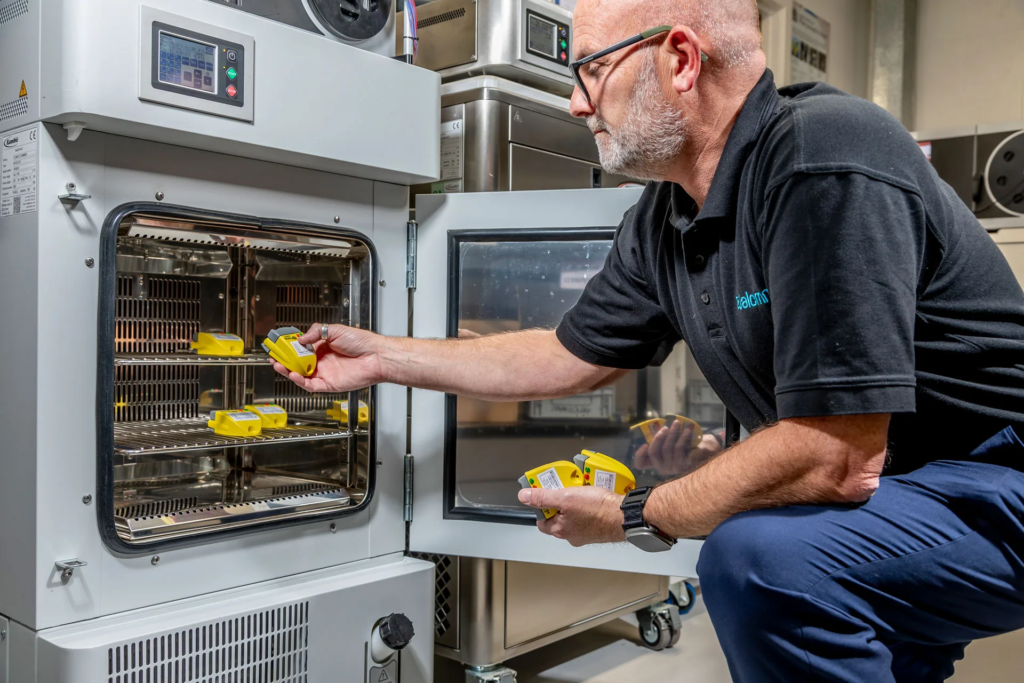
Airport catering kitchens handle large volumes of ready-to-eat meals that must remain within strict temperature limits. Riyadh’s high ambient temperatures increase the risk of rapid bacterial growth if cooling systems underperform. A temperature mapping study identifies hot spots, cold spots, and temperature fluctuations inside cold rooms, blast chillers, and food preparation areas.
By conducting a detailed temperature mapping study, Redlines helps catering facilities verify that food is stored and handled within safe temperature ranges at all times. This significantly reduces the risk of foodborne illness and protects airline passengers and crew.
2. Supporting Regulatory Compliance and Audits
Airport catering operations are subject to frequent audits and strict regulations from aviation authorities and food safety bodies. A temperature mapping study provides documented evidence that storage and handling environments meet regulatory requirements.
Redlines delivers validated temperature mapping study reports that support compliance with local Saudi regulations and international airline standards. For airport catering units in Riyadh, these studies strengthen audit readiness and demonstrate a strong commitment to food safety and quality assurance.
3. Improving Cold Chain Integrity in Travel Food Logistics
Travel food logistics involves multiple transfer points — kitchens, holding areas, loading docks, and refrigerated vehicles. Each handover introduces a risk of temperature deviation. A temperature mapping study evaluates how temperature behaves across the entire cold chain, not just in static storage.
Redlines conducts temperature mapping studies for refrigerated trucks and transport containers operating between Riyadh, Jeddah, and Dammam. This ensures meals and ingredients remain within specified temperature limits during transit, reducing spoilage and maintaining product integrity throughout the journey.
4. Identifying Equipment and HVAC Inefficiencies
Cooling equipment and HVAC systems may appear functional while still performing inefficiently. Uneven airflow, poor insulation, or incorrect equipment placement can cause temperature instability. A temperature mapping study reveals these hidden issues by collecting data from multiple locations over time.
With insights from a temperature mapping study conducted by Redlines, airport catering facilities in Saudi Arabia can optimize equipment placement, improve airflow patterns, and reduce unnecessary energy consumption. This not only enhances temperature stability but also lowers operational costs in the long term.
5. Reducing Food Waste and Financial Losses
Temperature-related food rejection leads to significant financial losses in airport catering and travel food logistics. Meals or ingredients exposed to unsafe temperatures must be discarded, increasing waste and reducing profitability. A proactive temperature mapping study helps identify risk zones before failures occur.
By implementing temperature mapping studies regularly, Redlines enables catering and logistics providers in Riyadh to prevent avoidable losses, extend product shelf life, and maintain consistent service levels for airline partners across Saudi Arabia.
Conclusion
In a fast-paced aviation environment, temperature control is not optional — it is essential. For airport catering and travel food logistics in Riyadh, a temperature mapping study provides the data-driven insight needed to ensure food safety, regulatory compliance, cold chain reliability, and cost efficiency.
Redlines, through its specialized temperature mapping study services in Saudi Arabia, including Riyadh, Jeddah, and Dammam, supports airport catering companies with accurate analysis, detailed reporting, and actionable recommendations. By investing in professional temperature mapping studies, businesses can protect passengers, satisfy airline requirements, and strengthen operational excellence.
To learn more about our temperature mapping study solutions, visit www.Redlines.sa.