


Food tourism is rapidly growing across Saudi Arabia, driven by luxury hotels, international restaurants, cultural festivals, and large-scale events in cities such as Riyadh, Jeddah, and Dammam. From fresh seafood and premium meats to dairy, desserts, and specialty ingredients, food served to tourists must meet the highest standards of quality and safety. Cold storage facilities play a critical role in this ecosystem, and maintaining precise temperature control is essential. This is why a temperature mapping study is a fundamental requirement for cold storage used in Saudi food tourism.
At Redlines, we provide expert temperature mapping study services across Saudi Arabia, Riyadh, Jeddah, and Dammam, supporting hospitality and food tourism operations with reliable temperature compliance solutions. Learn more at www.Redlines.sa.
1. Protecting Food Quality in Extreme Climate Conditions
Saudi Arabia’s climate presents one of the biggest challenges for cold storage facilities supporting food tourism. High ambient temperatures, especially during peak tourist seasons, put constant pressure on refrigeration systems.
A temperature mapping study evaluates how cold storage facilities perform under real operating conditions. By monitoring temperature behavior across different zones, a temperature mapping study identifies hot spots, cold spots, and areas where temperature stability is compromised. This is particularly important in Riyadh, where extreme heat can affect cold rooms, and in Jeddah, where humidity adds another layer of risk.
Through a temperature mapping study, food tourism operators can ensure that premium ingredients retain freshness, texture, and taste—key factors in delivering exceptional dining experiences to tourists.
2. Ensuring Food Safety for High-Volume Tourist Demand
Food tourism involves high-volume food preparation and storage, especially in hotels, resorts, cruise terminals, and event venues. Even minor temperature deviations can increase the risk of microbial growth, leading to food safety incidents.
A temperature mapping study provides detailed insight into temperature consistency throughout cold storage areas, including freezers, chillers, and temporary holding zones. In busy tourism hubs such as Jeddah and Dammam, temperature mapping studies help validate that cold storage systems can handle peak demand without compromising food safety.
By conducting regular temperature mapping studies, operators reduce the risk of foodborne illness, protect public health, and safeguard the reputation of Saudi Arabia as a world-class food tourism destination.
3. Supporting Regulatory Compliance and Audit Readiness
Food establishments supporting tourism in Saudi Arabia must comply with strict food safety and quality regulations. Authorities require documented evidence that cold storage temperatures are controlled, monitored, and validated.
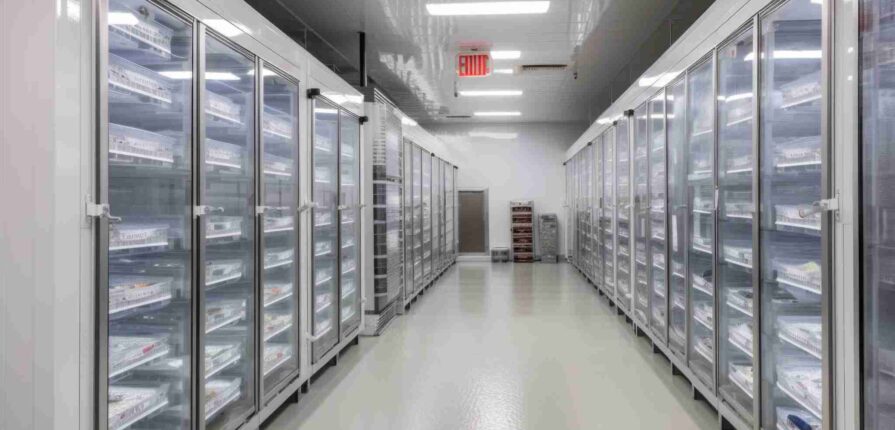
A temperature mapping study provides comprehensive documentation showing that all areas within a cold storage facility operate within acceptable temperature limits. For hotels and food tourism facilities in Riyadh, Jeddah, and Dammam, temperature mapping studies are essential during inspections, certifications, and audits.
These studies also help management demonstrate proactive risk management and continuous compliance, reducing the likelihood of penalties, shutdowns, or reputational damage.
4. Enhancing Operational Efficiency and Reducing Food Waste
Food tourism relies on premium ingredients, many of which are costly and imported. Temperature-related spoilage can lead to significant financial losses.
A temperature mapping study helps identify inefficiencies such as poor airflow, uneven loading, or equipment performance issues that contribute to temperature fluctuations. By addressing these findings, cold storage operators can optimize equipment usage, reduce energy consumption, and extend product shelf life.
In facilities serving Saudi Arabia’s major tourism centers, temperature mapping studies support smarter inventory management and reduce unnecessary food waste—aligning with sustainability goals and cost control strategies.
Why Temperature Mapping Studies Matter for Saudi Food Tourism
A temperature mapping study transforms cold storage management from assumption-based control to data-driven assurance. For food tourism, where quality, safety, and reputation are critical, these studies provide confidence that every ingredient is stored under optimal conditions.
At Redlines, we specialize in delivering accurate, compliant temperature mapping study services across Saudi Arabia, Riyadh, Jeddah, and Dammam. Our expertise supports cold storage facilities that power the country’s growing food tourism sector.
To learn how our temperature mapping study services can strengthen your cold storage operations, visit www.Redlines.sa.