
Saudi Arabia welcomes millions of tourists each year for religious, cultural, and entertainment events. Cities such as Riyadh, Jeddah, and Dammam experience high demand for safe, high-quality food across hotels, restaurants, catering services, and transport hubs. Maintaining food safety in such a hot climate requires precise temperature control, making a temperature mapping study a critical component of food safety management.
At Redlines, we provide expert temperature mapping study services across Saudi Arabia, including Jeddah, Dammam, and Riyadh. Our services help tourism-related food facilities protect product integrity and meet regulatory standards. Learn more at www.Redlines.sa.
1. Identifying Heat-Risk Zones in Food Storage Areas
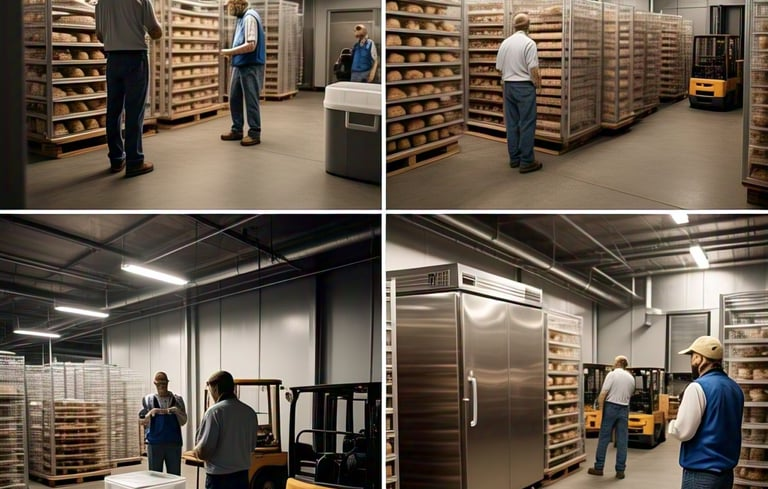
A temperature mapping study identifies heat-risk zones in food storage rooms, cold stores, and preparation areas. In Saudi Arabia’s warm environment, temperature variations can occur near doors, ceilings, and poorly ventilated spaces. Through a temperature mapping study, these areas are detected early, allowing corrective actions before food safety is compromised.
2. Supporting Safe Food Transportation for Tourists
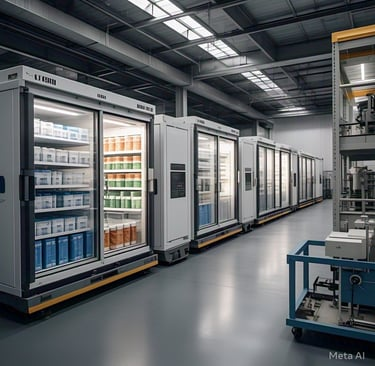
Tourist food supplies often move between central warehouses, hotels, and event venues. A temperature mapping study evaluates temperature conditions in transport vehicles and staging areas. This ensures food remains within safe limits throughout distribution, which is essential in cities like Jeddah and Riyadh where travel distances and heat exposure are significant.
3. Validating Cold Chain Performance During Peak Seasons
Tourism peaks during major events and holiday seasons. A temperature mapping study validates cold chain performance during high-demand periods when storage systems and logistics operations are under stress. This ensures that food served to tourists remains safe even during the busiest times.
4. Ensuring Compliance with Food Safety Regulations
Regulatory authorities require documented evidence of temperature control. A temperature mapping study provides this documentation, helping hotels, catering companies, and food distributors demonstrate compliance with Saudi food safety regulations and international standards.
5. Reducing Food Waste and Protecting Brand Reputation
By maintaining stable storage conditions, a temperature mapping study reduces food spoilage and waste. For tourism operators, this not only improves cost efficiency but also protects brand reputation by ensuring consistent food quality and guest satisfaction.
Conclusion
Food safety is a cornerstone of Saudi Arabia’s tourism success. A comprehensive temperature mapping study ensures tourist food supplies remain safe from storage to service, despite extreme temperatures.
Redlines proudly delivers professional temperature mapping study services across Saudi Arabia, Jeddah, Dammam, and Riyadh, supporting tourism, hospitality, and food service operators.
Visit www.Redlines.sa to learn how our expertise helps keep tourist food supplies safe and compliant.