Pharmaceutical storage facilities in Dammam operate under strict temperature and environmental requirements to ensure drug potency, efficacy, and safety. Despite sophisticated HVAC systems and modern infrastructure, many facilities still face hidden vulnerabilities. A comprehensive temperature mapping study is essential to identify and close these gaps, ensuring regulatory compliance and protecting sensitive pharmaceutical products.
At Redlines, we provide professional temperature mapping study services across Saudi Arabia, including Jeddah, Dammam, and Riyadh. Learn more at www.Redlines.sa.
1. Inadequate Sensor Coverage
One of the most common gaps in Dammam’s pharmaceutical storage is insufficient sensor placement. Without a well-designed temperature mapping study, areas of poor coverage can go unnoticed, leaving critical zones unmonitored. Proper placement at multiple heights and locations ensures that temperature variations are accurately recorded.
2. Hot and Cold Spots
Even with advanced HVAC systems, hot and cold spots frequently occur due to uneven air distribution, high ceilings, or crowded shelving. A detailed temperature mapping study identifies these areas, allowing facilities to adjust airflow, shelving layouts, or cooling zones to maintain uniform conditions.
3. Airflow Imbalances
Poor airflow is another frequent issue, particularly in high-density pharmaceutical storage areas. A temperature mapping study can detect stagnant air pockets or excessive drafts, helping facilities optimize fan placement, ductwork, and ventilation strategies.
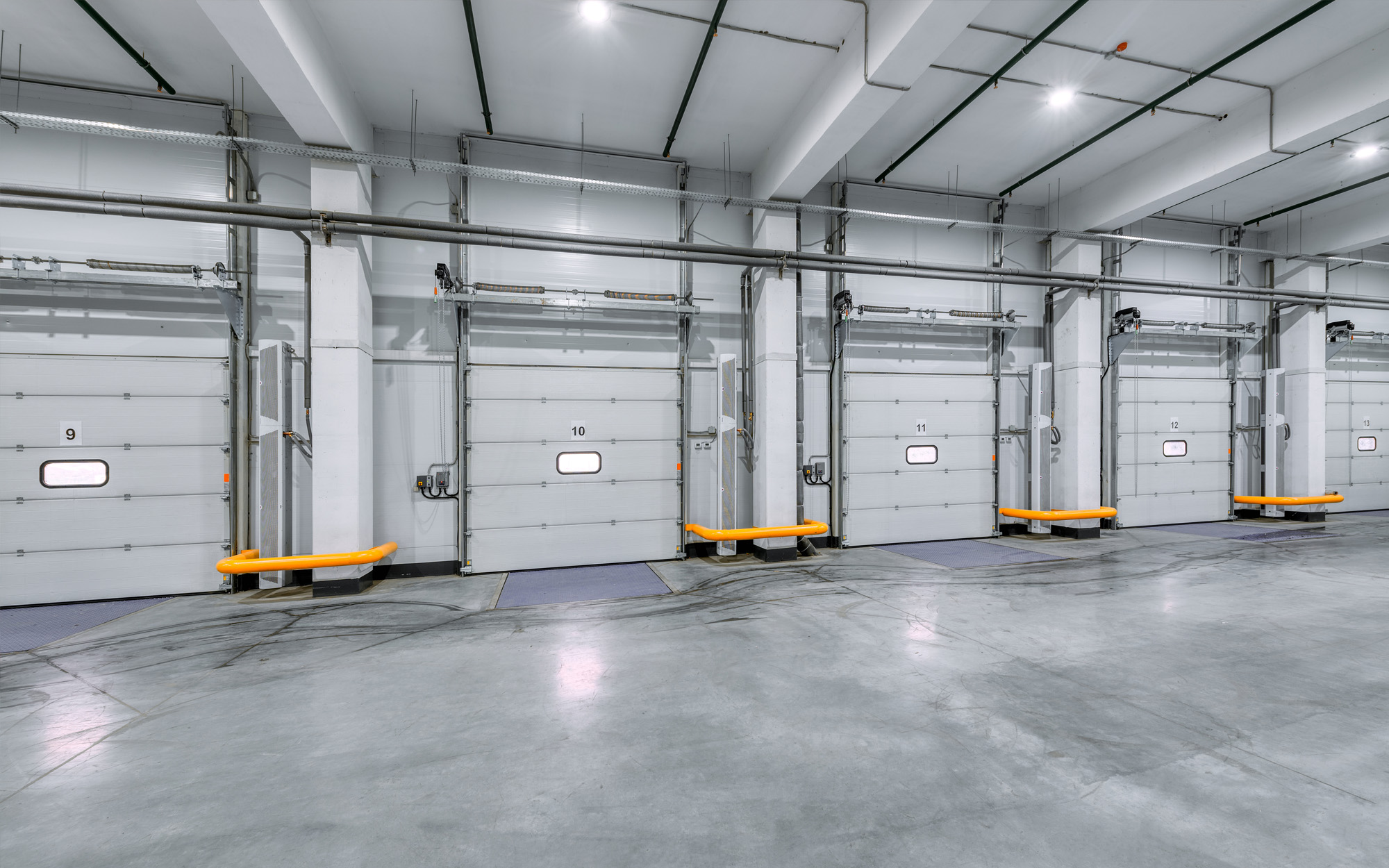
4. Door and Dock Area Fluctuations
Loading and unloading zones are critical weak points. Frequent opening of doors can introduce sudden temperature swings, especially in coastal and humid climates like Dammam. A focused temperature mapping study measures recovery times after door usage and helps implement solutions such as air curtains or buffer zones.
5. Temperature Stratification
Vertical temperature differences are common in rooms with high ceilings. Upper shelves often experience higher temperatures, which may compromise sensitive drugs. Through a temperature mapping study, pharmaceutical storage facilities can monitor stratification and adjust cooling systems to ensure uniform temperature across all levels.
6. Equipment Heat Contribution
Refrigeration units, freezers, and other equipment can create localized heat zones. These hot spots often go unnoticed without a temperature mapping study, which identifies areas affected by equipment-generated heat and allows for corrective measures in placement and ventilation.
7. Humidity Variations
Maintaining proper humidity is as important as temperature for pharmaceutical storage. Gaps in humidity control can lead to condensation, product degradation, or equipment corrosion. Advanced temperature mapping studies include humidity measurement, providing a complete environmental profile for safe storage.
8. Seasonal Variability
Dammam experiences seasonal changes that impact warehouse temperatures, from high summer heat to cooler winter conditions. Many facilities lack dynamic monitoring to capture seasonal shifts. A continuous temperature mapping study ensures all variations are documented and mitigated throughout the year.
9. Data Logging and Documentation Gaps
Finally, incomplete documentation and irregular data logging can undermine regulatory compliance. A thorough temperature mapping study not only identifies gaps but also generates accurate, audit-ready reports that satisfy regulatory authorities and support quality management systems.
Why Temperature Mapping Studies Are Vital in Dammam
Pharmaceutical facilities in Dammam must adhere to strict guidelines for temperature-controlled storage. Gaps in monitoring or HVAC performance can lead to product spoilage, financial loss, or compliance violations. A temperature mapping study helps identify and eliminate these vulnerabilities before they impact operations.
By partnering with Redlines, facilities across Saudi Arabia, including Jeddah, Dammam, and Riyadh, can benefit from professional mapping services that provide actionable insights, improve HVAC efficiency, and ensure complete regulatory compliance.
Redlines: Your Trusted Partner in Temperature Mapping
Redlines specializes in conducting comprehensive temperature mapping studies tailored to pharmaceutical and sensitive storage environments. Our team utilizes calibrated sensors, strategic placement, and industry-standard procedures to detect gaps, mitigate risks, and provide detailed reporting.
Whether your facility is in Dammam, Riyadh, Jeddah, or elsewhere in Saudi Arabia, Redlines ensures your temperature-sensitive products remain protected under optimal environmental conditions.
Visit www.Redlines.sa to schedule your professional temperature mapping study today.