
Healthcare facilities across Saudi Arabia operate under strict regulatory frameworks to ensure patient safety, product integrity, and clinical accuracy. Hospitals, laboratories, pharmacies, and medical storage areas must maintain precise environmental conditions for medicines, vaccines, blood products, and diagnostic samples. In this context, a temperature mapping study plays a critical role in supporting healthcare compliance and operational reliability.
At Redlines, we provide expert temperature mapping study services across Saudi Arabia, Jeddah, Dammam, and Riyadh, helping healthcare organizations meet regulatory requirements with confidence. Visit www.Redlines.sa to learn more.
1. Demonstrates Regulatory Compliance
One of the primary advantages of a temperature mapping study is its ability to demonstrate compliance with Saudi health regulations and international standards. Regulatory bodies require documented proof that healthcare facilities maintain controlled temperature conditions. A validated temperature mapping study provides this evidence, supporting inspections and audits.

2. Identifies Critical Temperature Risk Zones
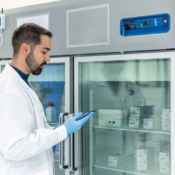
A comprehensive temperature mapping study identifies hot and cold spots within healthcare environments such as pharmacies, laboratories, and vaccine storage rooms. In facilities across Riyadh, Jeddah, and Dammam, these hidden risk zones can compromise sensitive medical products if not detected early.
3. Validates HVAC System Performance
Healthcare environments rely heavily on HVAC systems for precise temperature control. A temperature mapping study validates whether HVAC systems perform consistently under real operating conditions. This is particularly important in Saudi Arabia’s extreme climate, where system stress is common.
4. Protects Temperature-Sensitive Medical Products
Vaccines, insulin, biologics, and blood products require strict temperature ranges. A temperature mapping study ensures these products are stored within approved limits at all times. By continuously analyzing temperature behavior, healthcare facilities reduce the risk of product degradation and patient harm.
5. Supports Risk-Based Facility Management
A temperature mapping study provides data-driven insights that allow healthcare managers to implement risk-based control measures. Instead of assumptions, facilities can use mapping data to improve storage layouts, airflow, and equipment placement, enhancing overall compliance.
6. Improves Emergency Preparedness
Power failures and equipment malfunctions are inevitable. A temperature mapping study helps healthcare facilities understand recovery times and thermal stability during disruptions. This insight is crucial for emergency planning in hospitals and laboratories across Saudi Arabia.
7. Enhances Audit Readiness and Documentation
Healthcare audits require clear, traceable documentation. A professionally conducted temperature mapping study delivers comprehensive reports, sensor data, and analysis that simplify audit processes and strengthen regulatory confidence.
Conclusion
In healthcare environments, temperature control is directly linked to patient safety and regulatory compliance. A robust temperature mapping study provides the visibility, validation, and documentation healthcare facilities need to operate safely and compliantly.
Redlines proudly offers specialized temperature mapping study services across Saudi Arabia, Jeddah, Dammam, and Riyadh, supporting hospitals, laboratories, and healthcare storage facilities in meeting the highest compliance standards.
Visit www.Redlines.sa to discover how our expertise can support your healthcare operations.