

Cold chain operations play a critical role in protecting pharmaceuticals, vaccines, food products, and other temperature-sensitive goods across Saudi Arabia. From large distribution hubs in Riyadh to coastal logistics centers in Jeddah and Dammam, maintaining precise temperature control throughout storage and transportation is essential. One of the most effective tools for ensuring cold chain reliability is a comprehensive temperature mapping study.
A professionally conducted temperature mapping study identifies risks, validates system performance, and strengthens operational safeguards across every stage of the cold chain. Redlines provides expert temperature mapping study services across Saudi Arabia, Jeddah, Dammam, and Riyadh. More details are available at www.Redlines.sa.
1. Identifying Hot and Cold Zones in Cold Storage Facilities
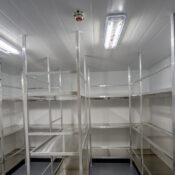
Cold storage facilities often assume uniform temperatures, but reality tells a different story. Airflow obstructions, equipment placement, and structural design can create uneven cooling. A temperature mapping study reveals hidden hot and cold zones that standard monitoring systems may miss.
By identifying these zones, cold chain operators can reposition products, adjust airflow, or reconfigure shelving to ensure consistent temperature control throughout the facility.
2. Validating HVAC and Refrigeration System Performance
HVAC and refrigeration systems are the backbone of cold chain operations. However, system performance must be verified under real operational conditions. A temperature mapping study validates whether cooling systems can maintain required temperature ranges during peak loads, power fluctuations, and seasonal extremes common in Saudi Arabia.
This validation ensures systems perform reliably in cities like Riyadh, where summer heat places heavy demand on cooling infrastructure.

3. Strengthening Door and Loading Dock Controls
Frequent door openings during loading and unloading expose cold chain environments to temperature excursions. This is especially critical in high-traffic facilities in Jeddah and Dammam.
A temperature mapping study measures how quickly temperatures recover after door openings and identifies vulnerable areas near docks. These insights help facilities implement safeguards such as air curtains, fast-acting doors, or revised loading schedules to protect product integrity.
4. Monitoring Vertical Temperature Stratification
Cold rooms and warehouses with high ceilings often experience vertical temperature differences. Products stored on upper racks may be exposed to warmer conditions than those stored below.
Through a temperature mapping study, sensors are placed at multiple heights to capture stratification effects. This data allows cold chain managers to optimize airflow, adjust fan placement, and ensure uniform cooling across all storage levels.
5. Ensuring Compliance with Regulatory and Quality Standards
Cold chain operations supporting pharmaceuticals and food industries must comply with strict regulatory requirements. A documented temperature mapping study provides evidence that facilities can maintain stable temperatures within defined limits.
These studies support audits, inspections, and quality management systems, reducing compliance risks while enhancing customer and regulatory confidence across Saudi Arabia.
6. Supporting Proactive Risk Management and Continuous Improvement
Rather than reacting to temperature failures, a temperature mapping study enables proactive risk management. Mapping data highlights trends, vulnerabilities, and improvement opportunities before product losses occur.
Regular temperature mapping studies allow cold chain operators in Jeddah, Dammam, and Riyadh to continuously refine processes, improve energy efficiency, and strengthen operational resilience.
Why Temperature Mapping Is Essential for Saudi Arabia’s Cold Chain
Saudi Arabia’s climate presents unique challenges to cold chain operations, from extreme heat to humidity and regional variability. A temperature mapping study ensures that cold chain systems remain robust despite these environmental pressures.
Whether managing pharmaceutical warehouses, food distribution centers, or vaccine storage facilities, temperature mapping studies provide the data-driven foundation needed for reliable cold chain performance.
Redlines: Your Trusted Temperature Mapping Partner
Redlines specializes in delivering accurate, compliant, and actionable temperature mapping study services tailored to cold chain environments. Our experienced teams operate across Saudi Arabia, including Jeddah, Dammam, and Riyadh, using calibrated equipment and industry best practices.
By partnering with Redlines, organizations strengthen their cold chain safeguards, protect product integrity, and achieve long-term operational confidence.
Visit www.Redlines.sa to schedule your professional temperature mapping study and enhance your cold chain operations across Saudi Arabia.