

Maintaining precise temperature conditions is the foundation of pharmaceutical quality assurance. In Saudi Arabia’s fast-growing healthcare sector—especially across key hubs like Riyadh, Dammam, and Jeddah—temperature control plays a vital role in protecting sensitive drugs, vaccines, and biologics. One of the most reliable ways to ensure compliance and safety is through a temperature mapping study, which validates that storage and transport environments remain within the approved temperature ranges.
At Redlines (www.Redlines.sa), we specialize in temperature mapping studies and qualification services across Saudi Arabia, offering comprehensive assessments that ensure every cubic meter of a pharmaceutical storage or transport unit is verified for stability. However, many organizations still make avoidable errors that compromise both quality and compliance.
Here are six critical mistakes to avoid when conducting a pharmaceutical temperature mapping study in Saudi Arabia.
1. Ignoring Seasonal Temperature Mapping Variations
Saudi Arabia’s climate varies dramatically between regions and seasons—from Dammam’s humid coastal air to Riyadh’s intense dry heat. Conducting temperature mapping only during one season provides an incomplete picture. Redlines emphasizes performing studies during both summer and winter to account for extreme environmental changes and ensure reliable year-round performance.
2. Inadequate Placement of Sensors
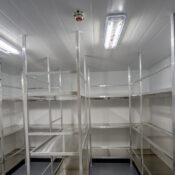
One of the most common mistakes is failing to strategically place sensors throughout the storage area or vehicle. Incorrect placement can lead to blind spots, leaving parts of the space unmonitored. Redlines’ engineers use a custom 3D grid placement strategy to ensure temperature uniformity and to identify hotspots or cold zones before they affect critical products.

3. Using Uncalibrated or Outdated Equipment
Accurate temperature mapping depends on precision instruments. Using uncalibrated sensors or old data loggers produces unreliable data that regulatory auditors can reject. Redlines uses traceable, calibrated devices that comply with GMP and WHO guidelines, ensuring every recorded temperature point is accurate and defensible.
4. Skipping Data Analysis and Interpretation
Collecting data is only half the job. Many companies fail to analyze or interpret their results properly, missing valuable insights about airflow inefficiencies or cooling system failures. The Redlines team delivers a comprehensive data analysis report that identifies patterns, trends, and recommendations to improve temperature stability in pharmaceutical storage and transport units.
5. Not Including Transportation in the Study
Temperature mapping is often limited to warehouses or cold rooms, but transportation vehicles are just as critical. Ambulances, refrigerated trucks, and air cargo face external heat exposure that can impact product integrity. Redlines includes in-transit temperature mapping across routes from Riyadh to Dammam and Jeddah, ensuring the cold chain remains intact during delivery.
6. Overlooking Documentation and Compliance
In Saudi Arabia, pharmaceutical companies must comply with SFDA and WHO standards for storage and distribution. Failure to maintain detailed temperature mapping reports, calibration certificates, and validation records can lead to compliance issues. Redlines provides full documentation support, ensuring every study meets international and local standards for audits and regulatory reviews.
Redlines: Your Partner in Reliable Pharmaceutical Mapping
A temperature mapping study is not just a regulatory requirement—it’s a commitment to patient safety and product integrity. At Redlines, our experts conduct validated mapping studies across Saudi Arabia, including Riyadh, Dammam, and Jeddah, using advanced monitoring systems and real-time analytics.
From cold rooms and warehouses to pharmaceutical transport vehicles, Redlines ensures that every step of your cold chain is protected against heat, humidity, and system failure.
For more information, visit www.Redlines.sa and discover how temperature mapping studies can safeguard your operations and strengthen compliance across Saudi Arabia’s expanding pharmaceutical landscape.