
Logistics centers across Saudi Arabia play a vital role in supporting food, pharmaceutical, and consumer goods supply chains. However, extreme heat conditions—especially in cities like Riyadh, Jeddah, and Dammam—create hidden risks that can compromise product quality and regulatory compliance. Many of these risks remain unnoticed without a comprehensive temperature mapping study.
A temperature mapping study provides detailed insight into how heat behaves across logistics facilities under real operating conditions. At Redlines, we deliver professional temperature mapping study services across Saudi Arabia, Jeddah, Dammam, and Riyadh, helping logistics operators uncover overlooked heat exposure points and protect sensitive goods. Learn more at www.Redlines.sa.
1. Loading and Unloading Dock Interfaces
One of the most commonly overlooked heat exposure points identified through a temperature mapping study is the loading and unloading dock area. These zones experience frequent door openings, prolonged exposure to outdoor heat, and inconsistent airflow. In Saudi logistics centers, especially during peak summer months, a temperature mapping study often reveals significant temperature spikes at dock interfaces that can affect products awaiting transfer.
By analyzing these findings, facilities can improve dock sealing, adjust workflows, and reduce heat intrusion.
2. Perimeter Walls and Roof-Adjoining Zones
A detailed temperature mapping study frequently identifies elevated temperatures along external walls and areas close to the roof. In logistics centers located in Riyadh and Dammam, solar heat gain through walls and roofing materials creates thermal stress zones that are not always detected by standard monitoring systems.
Through a temperature mapping study, these heat-prone areas become visible, allowing for insulation improvements and HVAC adjustments to maintain uniform conditions.
3. Upper Rack and High-Level Storage Areas
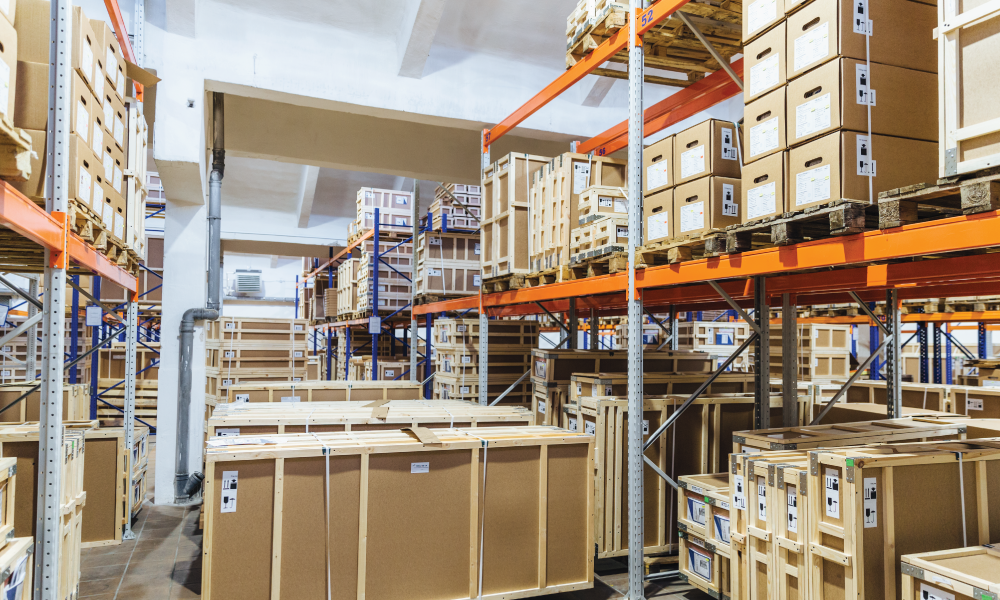
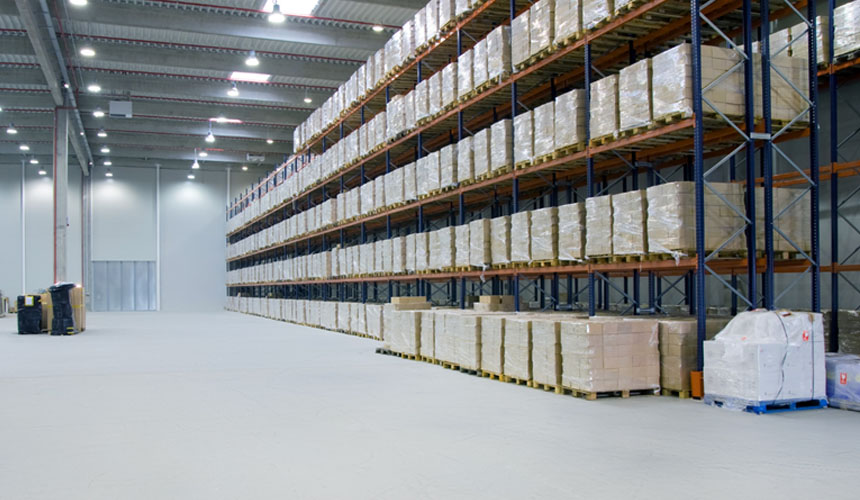
Heat naturally rises, making upper rack storage zones a critical risk point. A temperature mapping study consistently shows higher temperatures at elevated storage levels compared to floor-level zones. In high-bay warehouses across Saudi Arabia, these variations can exceed acceptable limits for temperature-sensitive products.
The insights gained from a temperature mapping study support smarter storage allocation and optimized air circulation strategies.
4. Poor Airflow Corners and Obstructed Zones
Another overlooked issue revealed by a temperature mapping study is restricted airflow in corners, behind densely stacked pallets, or near structural columns. In Jeddah’s humid coastal environment, these zones can trap heat and moisture, accelerating product degradation.
A professional temperature mapping study highlights these problem areas and enables facility managers to redesign layouts and improve airflow efficiency.
5. Transitional Corridors Between Temperature Zones
Transitional spaces between ambient storage, chilled zones, and frozen areas often escape close monitoring. However, a temperature mapping study shows that these corridors experience frequent temperature fluctuations, especially in large logistics hubs across Saudi Arabia.
By identifying these fluctuations through a temperature mapping study, companies can enhance door controls, insulation, and operational discipline to protect product integrity.
Why Temperature Mapping Studies Are Essential
Without a temperature mapping study, many of these heat exposure points remain hidden, increasing the risk of product loss, compliance failures, and customer dissatisfaction. A comprehensive temperature mapping study provides documented evidence of environmental control, supports regulatory audits, and enables proactive risk management.
Conclusion
Extreme heat is an unavoidable reality for logistics centers in Saudi Arabia, but heat-related product loss does not have to be. A well-executed temperature mapping study uncovers overlooked exposure points and provides actionable insights to strengthen facility performance.
Redlines proudly offers expert temperature mapping study services across Saudi Arabia, Jeddah, Dammam, and Riyadh, helping logistics operators achieve consistent temperature control and regulatory confidence.
Visit www.Redlines.sa to learn how our temperature mapping expertise can safeguard your logistics operations.