
Facilities operating in Jeddah face unique environmental challenges due to the city’s coastal climate along the Red Sea. High humidity, salt-laden air, fluctuating temperatures, and strong sea breezes create complex thermal conditions inside warehouses, laboratories, cold rooms, and storage facilities. These factors make conducting a comprehensive temperature mapping study essential for maintaining product quality, regulatory compliance, and operational efficiency.
At Redlines, we provide professional temperature mapping study services across Saudi Arabia, including Jeddah, Dammam, and Riyadh. Our expertise helps facilities understand and control environmental risks specific to coastal regions. Learn more at www.Redlines.sa.
1. High Coastal Humidity Impacting Temperature Stability
One of the most significant coastal climate effects in Jeddah is persistent high humidity. Moist air affects how cooling systems perform and often causes uneven temperature distribution within storage areas. During a temperature mapping study, humidity-driven temperature variations become visible, revealing zones where cooling efficiency drops.
High humidity can also lead to condensation on walls, ceilings, and equipment, which directly impacts temperature readings and product safety. A detailed temperature mapping study allows facility managers to adjust HVAC systems, improve dehumidification, and maintain stable environmental conditions.
2. Salt-Laden Air Affecting HVAC and Cooling Equipment
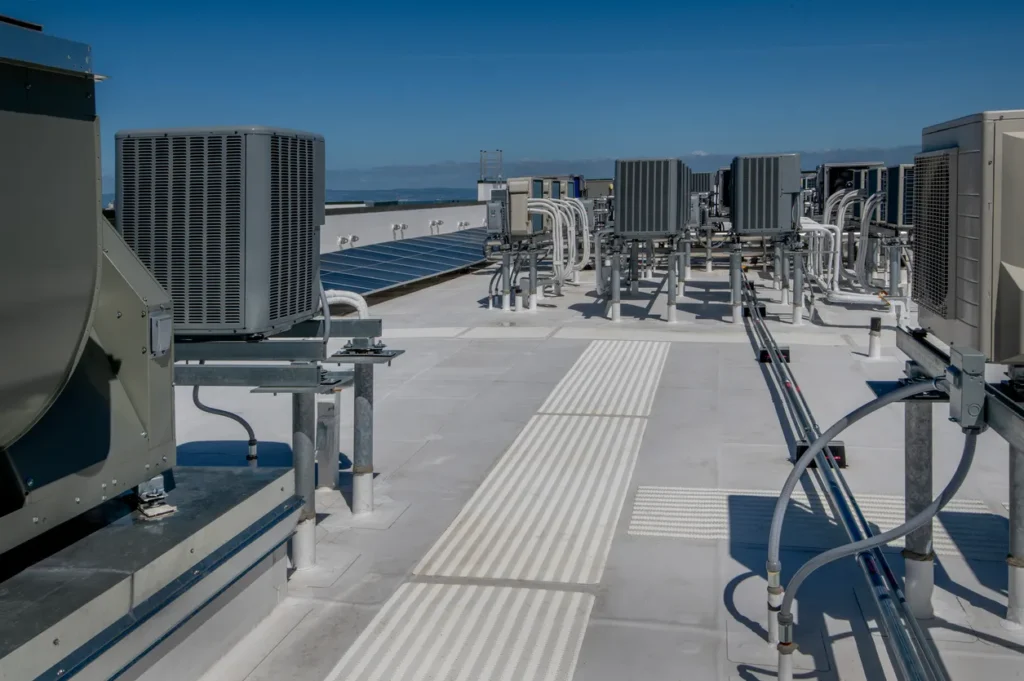
Jeddah’s proximity to the sea exposes facilities to salt-rich air, which accelerates corrosion in HVAC components, fans, and refrigeration units. Over time, this reduces cooling efficiency and leads to inconsistent temperatures.
A temperature mapping study helps identify temperature fluctuations caused by degraded equipment performance. By analyzing mapping results, maintenance teams can proactively service or replace affected components before temperature deviations impact stored products.
3. Rapid Temperature Fluctuations from Sea Breezes
Coastal winds and sea breezes cause frequent and rapid temperature changes throughout the day. When external conditions shift suddenly, internal temperatures may struggle to stabilize, especially near doors, docks, and ventilation points.
Through a temperature mapping study, facilities in Jeddah can measure how quickly internal temperatures respond to these changes. Mapping data helps optimize door management strategies, install air curtains, and improve insulation to minimize the effects of external temperature swings.
4. Heat and Moisture Infiltration at Loading Areas
Jeddah’s logistics and port activities mean frequent loading and unloading operations. Each door opening allows hot, humid air to enter the facility, disrupting internal conditions.
A targeted temperature mapping study highlights high-risk zones around loading bays and identifies recovery times after door openings. These insights support operational improvements such as scheduling changes, buffer zones, or upgraded dock seals to protect temperature-sensitive goods.
5. Microclimates Within Large Storage Facilities
The combination of humidity, airflow patterns, and building design often creates microclimates inside large Jeddah facilities. These localized environments may differ significantly from average room temperatures, putting certain products at higher risk.
A comprehensive temperature mapping study captures these microclimates by placing sensors at multiple heights and locations. This data ensures products are stored in the safest zones and helps facilities redesign layouts for better airflow and uniform cooling.
Why Temperature Mapping Is Essential Across Saudi Arabia
While Jeddah’s coastal climate presents unique challenges, facilities across Saudi Arabia, including Dammam and Riyadh, also face extreme environmental conditions. A professional temperature mapping study provides consistent, documented evidence that facilities can maintain required conditions despite climate pressures.
Regulated industries such as pharmaceuticals, food storage, laboratories, and cold chain logistics rely heavily on temperature mapping studies to demonstrate compliance, protect product integrity, and reduce operational risks.
Redlines: Your Trusted Temperature Mapping Partner
Redlines specializes in delivering accurate and reliable temperature mapping study services tailored to Saudi Arabia’s diverse climates. With experienced teams operating in Jeddah, Dammam, and Riyadh, we help facilities identify risks, optimize HVAC performance, and maintain full regulatory compliance.
Whether your facility faces coastal humidity in Jeddah or extreme desert heat elsewhere, Redlines provides data-driven solutions you can trust.
Visit www.Redlines.sa to learn more or schedule your temperature mapping study.