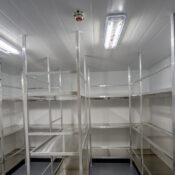

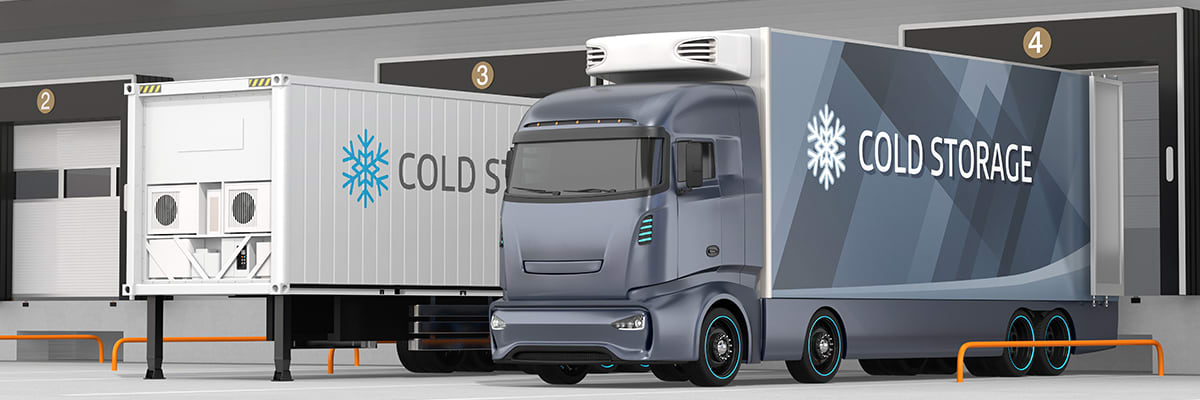
Transporting perishable foods across long distances in Saudi Arabia is a complex challenge. High ambient temperatures, extended travel times, and multiple handling points can quickly compromise food safety and quality. Whether moving fresh produce, dairy, meat, or ready-to-eat items between cities, maintaining strict temperature control is critical. This is where a temperature mapping study plays a vital role in protecting perishable foods throughout the logistics journey.
Redlines (www.Redlines.sa) provides professional temperature mapping study services across Saudi Arabia, including Jeddah, Dammam, and Riyadh, supporting food logistics companies with reliable data, compliance, and risk prevention.
Below are 10 key ways temperature mapping studies protect perishable foods during long-distance transport in Saudi Arabia.
1. Identifying Temperature Variations Inside Vehicles
Not all areas inside refrigerated trucks maintain the same temperature. A temperature mapping study identifies hot and cold spots within transport vehicles, helping logistics operators understand how temperature behaves during transit. Redlines uses detailed mapping data to ensure food is placed in the safest zones during transport.
2. Preventing Cold Chain Breakdowns
Long-distance transport increases the risk of cold chain failure. A temperature mapping study tracks temperature stability over time, highlighting periods when cooling performance drops. This allows operators to correct issues before they lead to spoilage.

3. Supporting Compliance with Food Safety Regulations
Food transport in Saudi Arabia must comply with strict safety regulations. A temperature mapping study provides documented evidence that perishable foods are transported within approved temperature limits. Redlines delivers validated reports that support audits and regulatory inspections across Saudi Arabia.
4. Improving Refrigeration System Performance
Cooling systems may function but still perform inefficiently due to airflow restrictions or poor insulation. Through a temperature mapping study, Redlines identifies system weaknesses, helping logistics companies improve refrigeration efficiency and reduce temperature fluctuations during long journeys.
5. Reducing Product Spoilage and Waste
Even small temperature deviations can shorten shelf life. A proactive temperature mapping study helps identify risk zones and transport conditions that cause spoilage. By acting on these insights, food logistics providers can significantly reduce waste and financial losses.
6. Ensuring Consistency Across Routes
Transport routes between Riyadh, Jeddah, and Dammam involve different climates and driving durations. A temperature mapping study compares performance across routes, ensuring consistent temperature control regardless of distance or environmental conditions.
7. Validating Equipment Placement and Loading Practices
Incorrect placement of pallets or food containers can block airflow. A temperature mapping study evaluates loading patterns and equipment placement inside vehicles. Redlines helps optimize loading methods to maintain uniform cooling during transport.
8. Enhancing Customer and Retailer Confidence
Retailers and distributors demand proof that perishable foods were handled correctly. A temperature mapping study provides traceable data that builds trust with customers. Redlines supports food distributors across Saudi Arabia with reliable temperature mapping documentation.
9. Supporting Seasonal Transport Challenges
Saudi Arabia experiences extreme seasonal temperature changes. A temperature mapping study conducted during different seasons reveals how heat impacts refrigerated transport. This enables logistics companies to adjust cooling strategies and prevent seasonal risks.
10. Enabling Proactive Risk Management
Rather than reacting to spoilage incidents, a temperature mapping study enables proactive decision-making. Redlines helps logistics providers identify vulnerabilities early, allowing corrective actions that protect food quality throughout long-distance transport.
Conclusion
Long-distance transport of perishable foods in Saudi Arabia demands precision, consistency, and documented temperature control. A temperature mapping study provides the insight needed to maintain cold chain integrity, reduce waste, and ensure regulatory compliance from origin to destination.
With professional temperature mapping study services in Saudi Arabia, including Riyadh, Jeddah, and Dammam, Redlines supports food logistics companies with accurate analysis, detailed reporting, and practical recommendations. By investing in temperature mapping studies, businesses can safeguard food quality, protect brand reputation, and deliver fresh products with confidence.
To learn more about our temperature mapping study services, visit www.Redlines.sa.