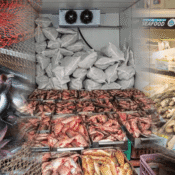

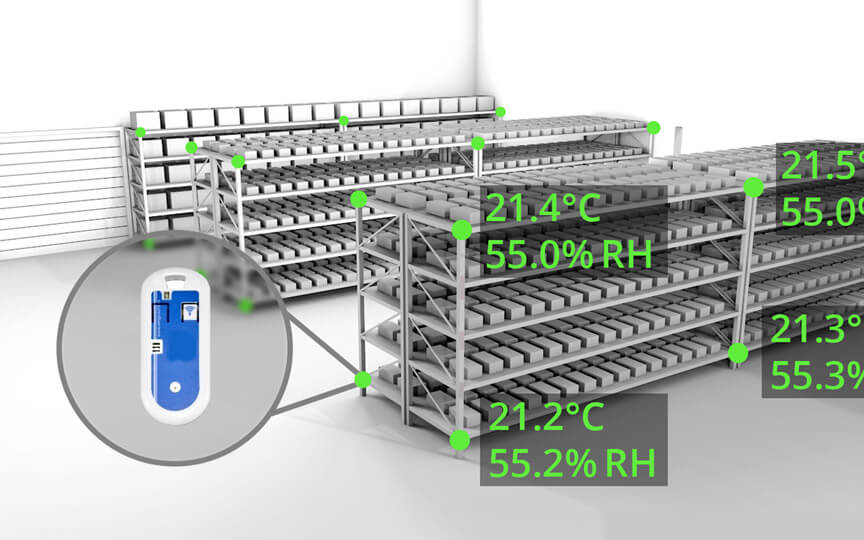
Food storage safety is a critical concern in Jeddah, where high temperatures, coastal humidity, and large-scale distribution activities place constant pressure on cold storage facilities. Ensuring consistent temperature control is essential for protecting food quality, preventing spoilage, and meeting regulatory standards. This is where a temperature mapping study becomes an indispensable tool for food storage operators.
At Redlines, we provide professional temperature mapping study services across Saudi Arabia, including Jeddah, Dammam, and Riyadh. Our studies help food facilities identify risks, improve system performance, and maintain compliance. Learn more at www.Redlines.sa.
1. Identification of Hidden Hot Spots
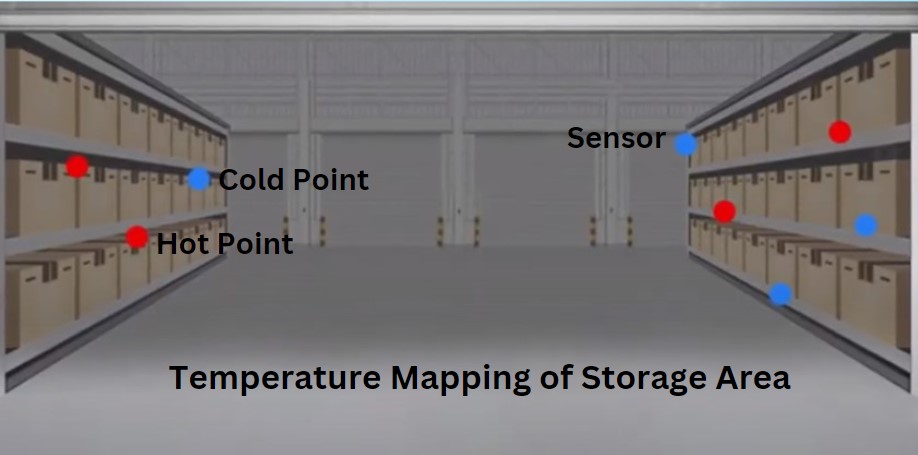
One of the most valuable outcomes of a temperature mapping study is the identification of hidden hot spots within cold rooms and warehouses. In Jeddah’s warm climate, areas near doors, loading bays, and poorly insulated walls often experience higher temperatures that can compromise food safety if left unaddressed.
2. Vertical Temperature Variations
A detailed temperature mapping study frequently reveals significant temperature differences between lower and upper storage levels. In tall food storage facilities, warm air tends to rise, creating warmer zones near the ceiling. Understanding this variation allows operators to store sensitive food products in the most suitable areas.
3. Impact of Coastal Humidity
Jeddah’s coastal environment introduces high humidity, which directly affects temperature stability. A well-executed temperature mapping study helps evaluate how humidity interacts with cooling systems, condensation risks, and product shelf life, especially for frozen and chilled foods.
4. Inefficient Airflow Zones
Temperature mapping studies often uncover zones with restricted airflow, particularly in corners or behind densely packed pallets. These findings help facility managers redesign storage layouts and improve air circulation to ensure uniform cooling across the entire storage space.
5. Door Opening and Operational Effects
Frequent door openings during loading and unloading can disrupt temperature stability. A temperature mapping study measures how long temperature excursions last and how quickly conditions recover, enabling better operational planning and procedural improvements.
6. Inconsistent Performance Between Storage Rooms
Even adjacent cold rooms can perform differently. A temperature mapping study identifies inconsistencies between storage areas, highlighting the need for calibration, maintenance, or system upgrades to ensure uniform performance throughout the facility.
7. Recovery Time After Power Interruptions
Power outages or maintenance activities are unavoidable. A temperature mapping study evaluates how quickly a storage facility returns to acceptable temperature ranges after disruptions, a key factor in preventing food spoilage and regulatory non-compliance.
8. Storage Density and Air Distribution
Overloading storage areas can block airflow and create unstable temperature zones. Insights from a temperature mapping study help determine optimal storage density, ensuring cold air reaches all products effectively.
9. Summer Performance Validation
Jeddah’s extreme summer temperatures place cooling systems under maximum stress. A seasonal temperature mapping study confirms whether refrigeration systems can maintain required conditions during peak heat, safeguarding food quality during the most challenging months.
10. Regulatory Compliance and Audit Readiness
Finally, a temperature mapping study provides documented evidence of temperature control, supporting compliance with Saudi food safety regulations and international standards. This documentation is essential for audits, inspections, and customer confidence.
Conclusion
In Jeddah’s demanding climate, food storage safety cannot rely on assumptions. A comprehensive temperature mapping study delivers critical insights that transform risk management, improve system efficiency, and protect public health.
Redlines proudly delivers expert temperature mapping study services across Saudi Arabia, Jeddah, Dammam, and Riyadh, helping food facilities achieve consistent compliance and operational excellence.
Visit www.Redlines.sa to learn how we can support your facility.